
Our Blog
How to Fight a DWI Charge in Minnesota?
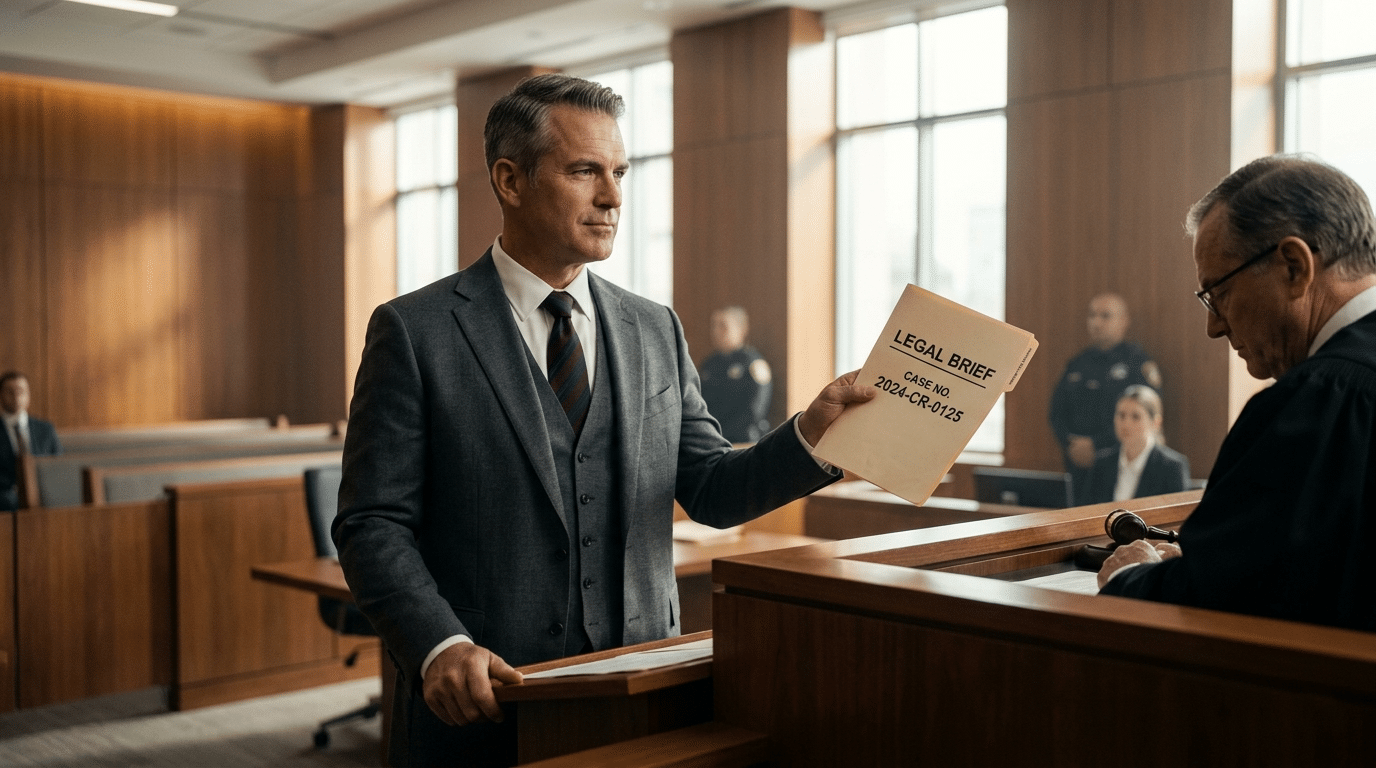

Being arrested for drunk driving is a terrifying, overwhelming experience. As the police handcuff you and read your rights, it is easy to feel like the battle is already lost. However, an arrest is merely an accusation; it is not a conviction. If you are wondering how to fight a DWI charge in Minnesota, the most important thing to know is that these cases are highly defensible. The state holds the burden of proof, and police officers make mistakes every single day.
At the Wolfgram Law Firm, our criminal defense attorneys do not just accept the police report at face value. We aggressively tear apart the prosecution’s case to protect our clients’ freedom, driving privileges, and permanent records. Below, we outline the essential steps and legal strategies required to successfully challenge a DWI in Minnesota.
Step 1: Challenge the Initial Traffic Stop
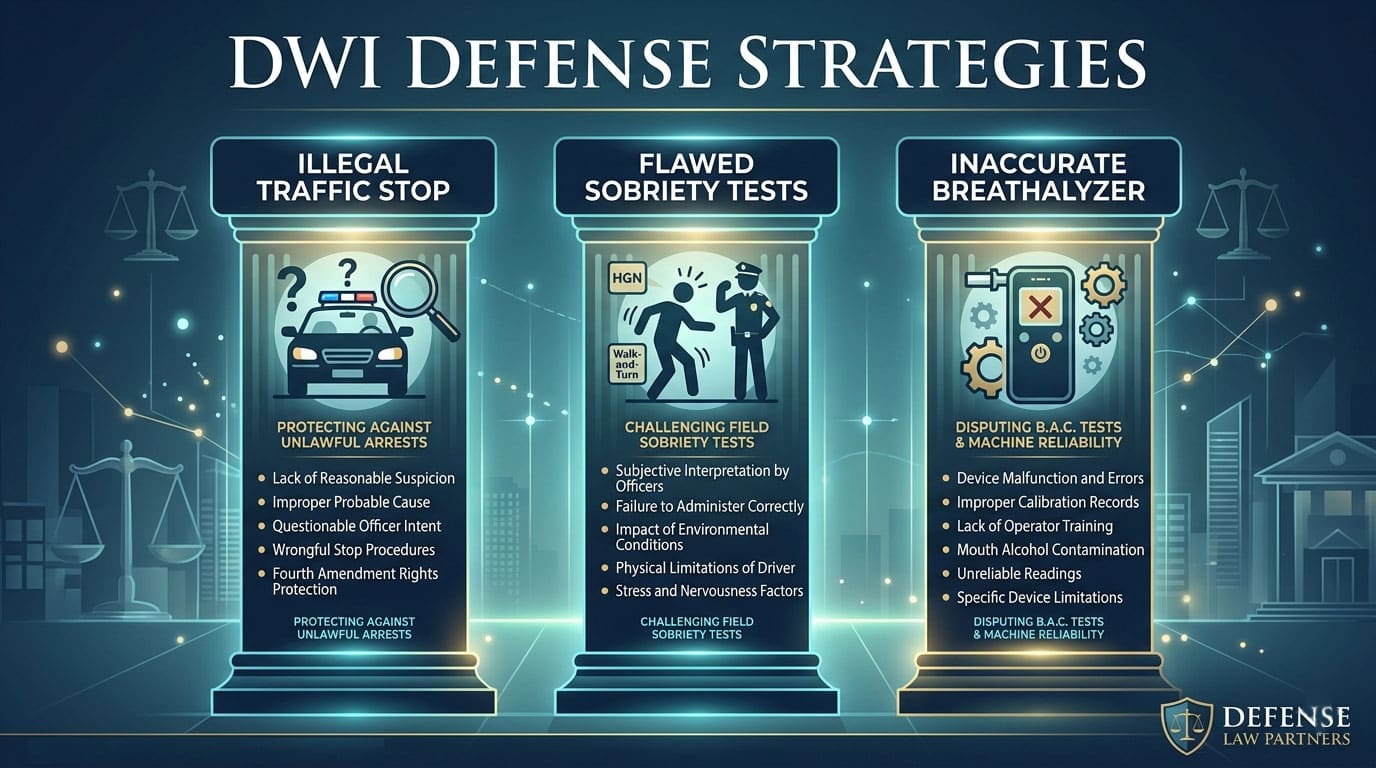
The foundation of any strong DWI defense begins before the officer even smells alcohol. Under the Fourth Amendment of the U.S. Constitution, police officers cannot simply pull you over based on a hunch. They must possess “reasonable articulable suspicion” that a crime or traffic violation has occurred.
Our defense team heavily scrutinizes the dashcam footage to verify the officer’s claims. Did you actually cross the center line? Was your license plate light truly out? If the judge determines that the initial traffic stop was illegal, all evidence gathered after the stop–including the breathalyzer results and field sobriety tests–must be suppressed. Without that evidence, the prosecutor is often forced to drop the charges entirely.
Step 2: Scrutinize the Field Sobriety Tests (FSTs)
If the stop was legal, the next line of defense involves the Standardized Field Sobriety Tests (SFSTs), such as the Walk-and-Turn, the One-Leg Stand, and the Horizontal Gaze Nystagmus (eye tracking) test. Officers use these tests to build probable cause for an arrest.
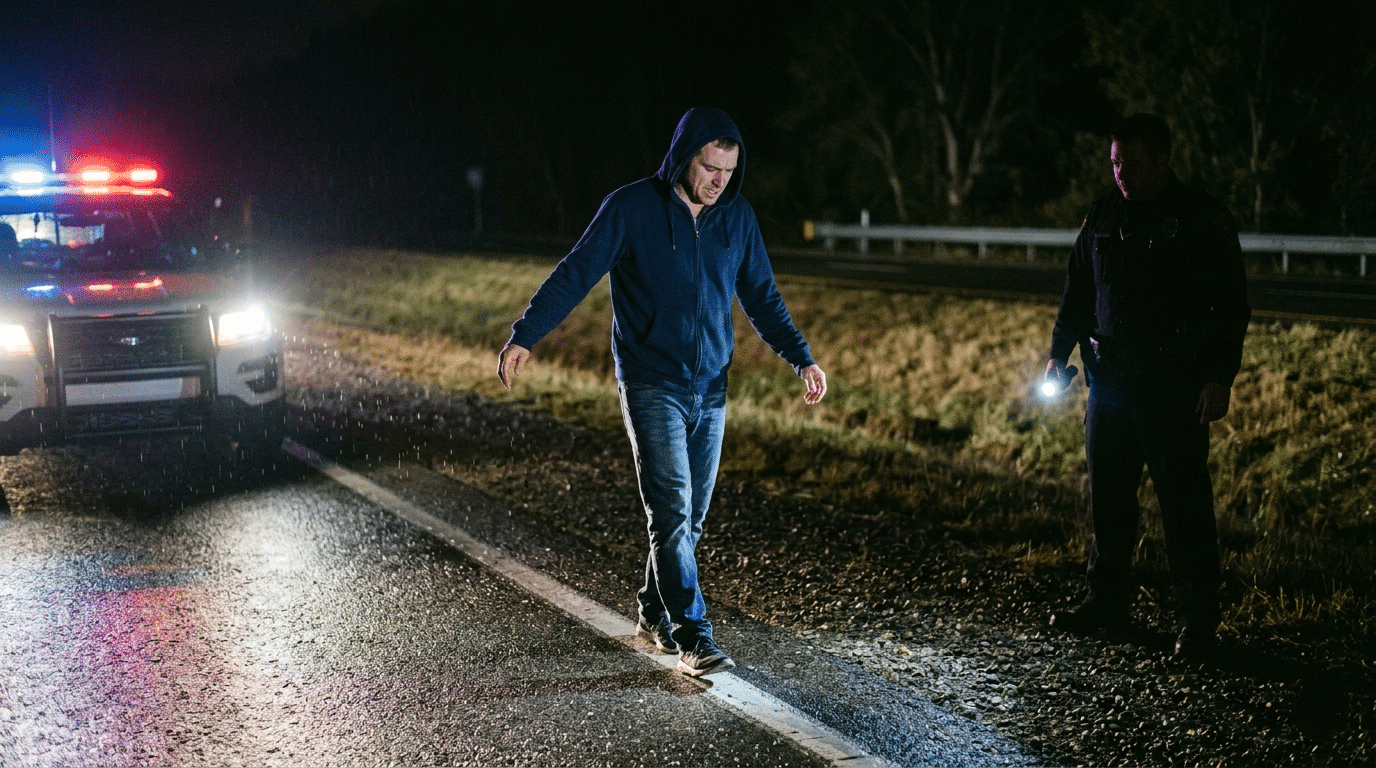
The reality is that these tests are highly subjective and notoriously unreliable. A skilled attorney will cross-examine the officer on their administration of the tests. Did they demonstrate the test correctly? Were the roadside conditions safe? We frequently demonstrate in court that a client’s poor performance was due to uneven pavement, poor weather conditions, inappropriate footwear, anxiety, or underlying medical conditions, rather than alcohol impairment.
Step 3: Attack the Accuracy of the Chemical Test
Many people assume that a breathalyzer result above the legal limit is absolute proof of guilt. In truth, chemical testing is a scientific process prone to mechanical errors and human oversight.
If you took a breath test using the DataMaster DMT (Minnesota’s official evidentiary machine), we will subpoena the maintenance and calibration logs for that specific machine. If the machine was not properly calibrated within the required timeframe, or if the officer failed to observe you for the mandatory 15-minute waiting period before administering the test, the results can be thrown out. For blood and urine tests, we scrutinize the chain of custody and the laboratory procedures used to analyze the sample.
Step 4: Protect Your Driving Privileges Immediately
Fighting a DWI in Minnesota involves two parallel battles: the criminal court case and the civil license revocation case (known as Implied Consent). When you are arrested, the state will immediately move to revoke your driver’s license.
You only have a strict 60-day window to file an Implied Consent petition to challenge this revocation. If you win this civil hearing–often by proving the stop was illegal or the test was flawed–you will regain your driving privileges and avoid the costly requirement of installing an Ignition Interlock Device. Because this 60-day clock starts ticking the moment you receive the notice of revocation, hiring a lawyer immediately is critical.
Step 5: Negotiate from a Position of Strength
Not every DWI case goes to a jury trial. Often, the best way to fight a charge is to dismantle the prosecutor’s case piece by piece during pre-trial hearings. As we expose weaknesses in their evidence, the prosecutor’s confidence in securing a conviction dwindles.
This puts you in a powerful negotiating position. Instead of facing jail time and a permanent DWI conviction, a strong defense strategy can compel the prosecutor to reduce the charges to a lesser offense, such as Careless Driving, or agree to a stayed sentence that keeps you out of jail entirely.
Never Plead Guilty Without a Fight

The worst mistake you can make after a drunk driving arrest is walking into your first court appearance and pleading guilty just to “get it over with.” The long-term consequences of a permanent criminal record are simply too severe.
At the Wolfgram Law Firm, we believe every case is defensible. We have built our reputation on aggressively challenging the state’s evidence and protecting our clients’ futures. Do not let one mistake define the rest of your life. Contact us today for a free, confidential consultation to discuss exactly how we will fight your DWI charge.
Frequently Asked Questions
Can a first-time DWI be dismissed in Minnesota?
Yes, it is entirely possible. If your defense attorney successfully proves that the initial traffic stop was unconstitutional or that the chemical test was administered improperly, the judge will suppress the evidence. Without evidence, the prosecutor must dismiss the charges.
Should I just plead guilty and get it over with?
No. Pleading guilty automatically guarantees a permanent criminal record, skyrocketing insurance rates, heavy fines, and potential jail time. You have the right to force the state to prove their case beyond a reasonable doubt, and an attorney can often negotiate a much better outcome.
What happens if the police didn’t read me my Miranda rights?
If the police failed to read your Miranda rights while subjecting you to a custodial interrogation, any incriminating statements you made (e.g., admitting you drank five beers) may be thrown out of court. However, this does not automatically result in a full dismissal of the case, as the state can still use physical evidence like the breath test.
Our Reviews

Client
Testimonials
 Wolfgram Law Firm Criminal Defense

Canadian Pacific Plaza, 120 South 6th St Unit 2305, Minneapolis
-
Adam and his team here are outstanding and 100% will go the extra mile always staying in great communication.


Our Location
Canadian Pacific Plaza, 120 South 6th Street, Suite 2305, Minneapolis, Minnesota 55402, United States


Call Us
612-584-3675 Hours: 9am - 5pm | Monday - Friday