
Our Blog
Can You Refuse a Breathalyzer Test in Minnesota?
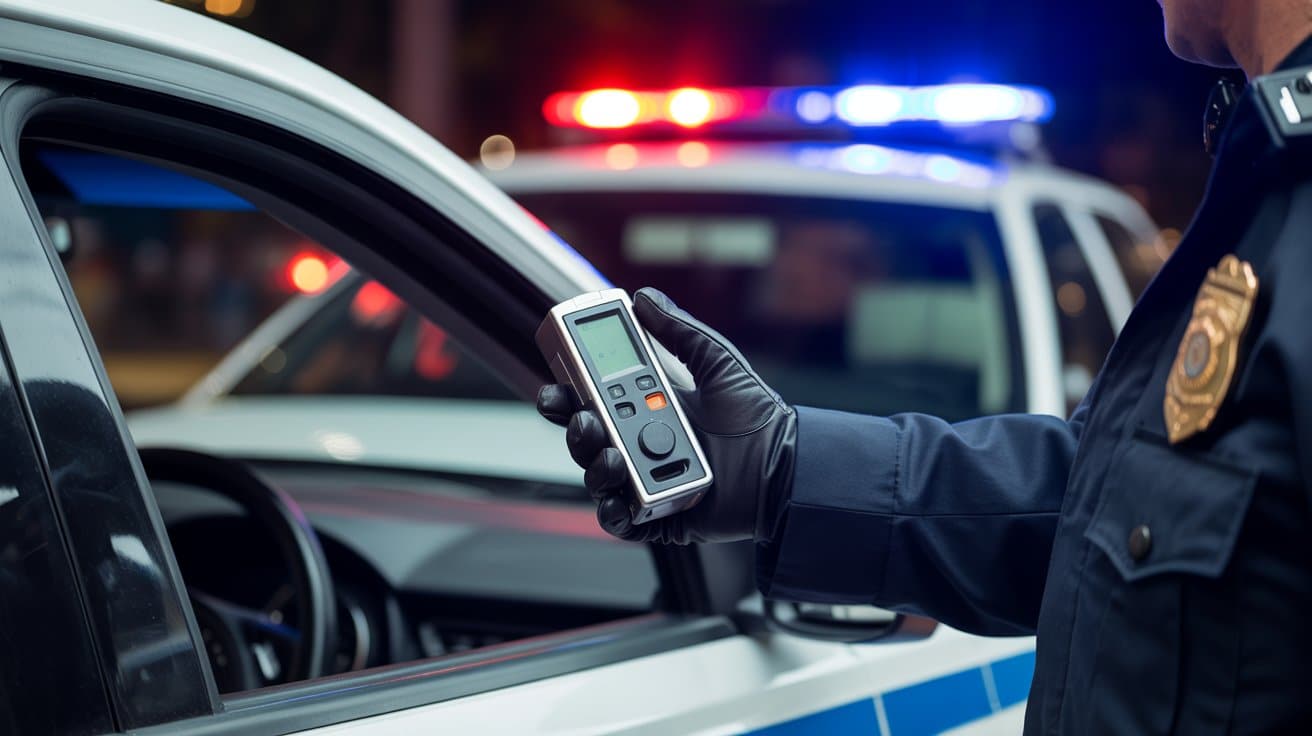

If police pull you over for suspected drunk driving, they almost always ask you to blow into a machine. You might immediately wonder: can you refuse a breathalyzer test in Minnesota? The simple answer is yes, you physically can refuse. However, refusing an official test usually creates far worse consequences than failing it.
Minnesota enforces incredibly strict “Implied Consent” laws. Therefore, understanding the difference between roadside tests and official tests is absolutely critical. At the Wolfgram Law Firm, we frequently defend clients facing criminal test refusal charges. Below, we explain everything you need to know about breathalyzers, your rights, and the severe penalties for refusing a test.
Roadside PBT vs. Official Evidentiary Test
To understand test refusal laws, you must first distinguish between the two types of breath tests used by Minnesota police. Mixing these up causes major legal problems.
1. Preliminary Breath Test (PBT)
Officers use a handheld Preliminary Breath Test (PBT) on the side of the road. They use it alongside Field Sobriety Tests (FSTs) to establish probable cause for an arrest. Can you refuse this roadside test? Yes. Refusing a roadside PBT is generally not a crime. However, the officer will likely still arrest you based on other observations, such as the smell of alcohol or bloodshot eyes.
2. Official Evidentiary Test (DataMaster DMT)
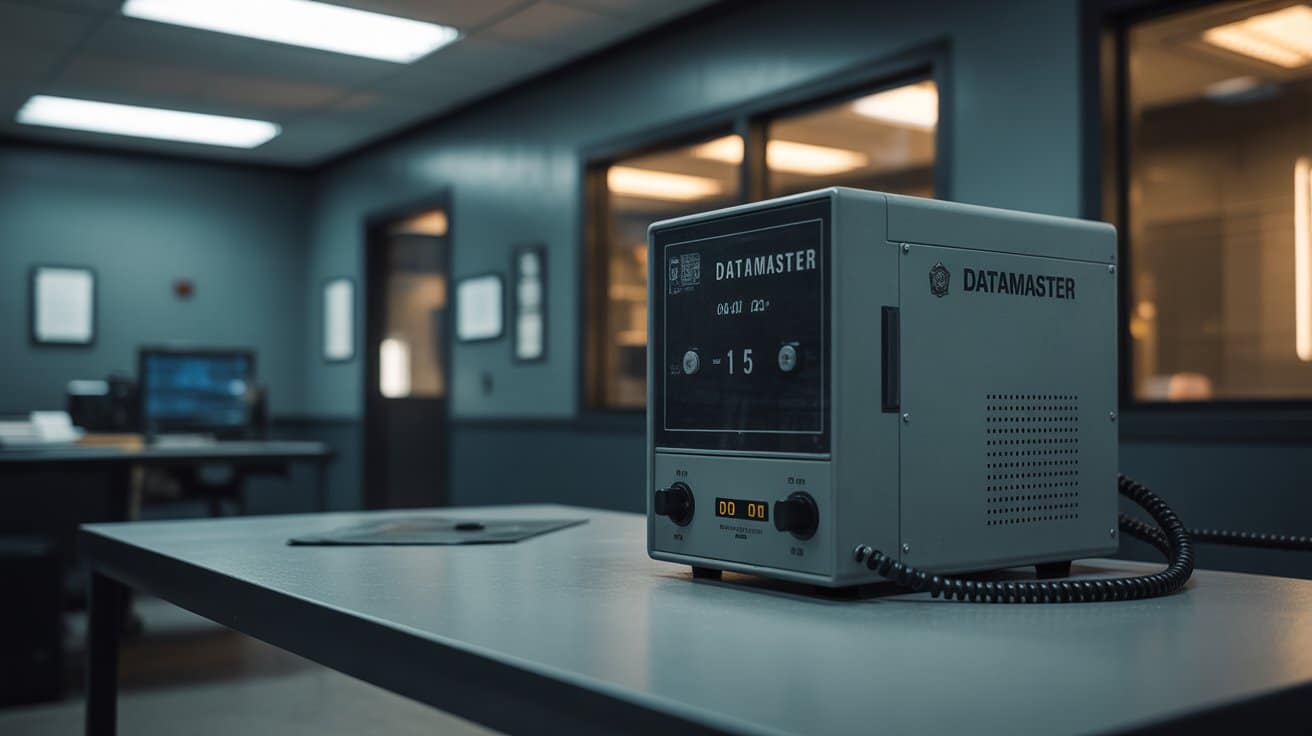
After police arrest you and transport you to the station, they demand an official evidentiary test. They use a large, stationary machine called a DataMaster DMT for breath tests. Alternatively, they might demand a blood or urine test. Refusing this official test is a serious crime in Minnesota.
Minnesota’s Implied Consent Law Explained
Minnesota operates under an “Implied Consent” law (Statute 169A.20). By simply accepting a Minnesota driver’s license and driving on state roads, you automatically imply your consent to chemical testing. You consent to testing if police possess probable cause to believe you are driving while impaired.
Before demanding the official test at the station, the officer must read you the Minnesota Implied Consent Advisory. This advisory clearly warns you that Minnesota law requires you to take a test. Furthermore, it explicitly states that refusing to take the test is a separate crime. Finally, the advisory informs you that you have the right to consult with an attorney before deciding whether to submit to the test.
Criminal Penalties for Refusing a Breathalyzer
Many drivers mistakenly believe that refusing a test denies prosecutors the evidence needed for a DWI conviction. In reality, lawmakers designed the system to punish refusal more severely than a standard DWI failure.
A standard first-time DWI (failing the test with a BAC under 0.16) is a Fourth-Degree Misdemeanor. In contrast, refusing the official breathalyzer test immediately elevates the charge. Test refusal is automatically charged as a Third-Degree Gross Misdemeanor, even if you have no prior criminal record.
The penalties for this Gross Misdemeanor test refusal include:
- Up to one year in jail (compared to 90 days for a standard DWI).
- A maximum fine of $3,000.
- Mandatory alcohol assessment and strict probation terms.
Civil Penalties: A Longer License Revocation
Beyond criminal court, test refusal triggers brutal civil penalties from the Department of Public Safety (DPS). When you refuse an official test, the state automatically revokes your driver’s license for an entire year. This happens regardless of your actual blood alcohol level.
For comparison, failing a test with a BAC under 0.16 usually results in a 90-day revocation. A refusal guarantees a full year without standard driving privileges. To drive during this year-long revocation, you must enroll in the Ignition Interlock program. You must pay significant installation and monitoring fees out of pocket.
Your Right to Speak With an Attorney
You face a difficult choice at the police station. Fortunately, you do not have to make it alone. Under the Minnesota Constitution, you have a limited right to consult with a lawyer before deciding whether to take the official chemical test.
After reading the Implied Consent Advisory, police must provide you with a phone and a reasonable amount of time to reach an attorney. If an officer rushes you, denies you access to a phone, or refuses to give you privacy, they violate your constitutional rights. Consequently, a skilled defense lawyer can file a motion to suppress the test results or dismiss the refusal charge entirely based on this violation.
Defending a Test Refusal Charge in Minnesota
A test refusal charge sounds unbeatable, but viable defense strategies exist. An experienced attorney systematically attacks the state’s case from multiple angles.
First, we challenge the initial traffic stop. If police lacked reasonable suspicion to stop your vehicle, every subsequent action becomes illegal. Second, we examine the Implied Consent Advisory process. Did the officer read the advisory correctly? Did they actively prevent you from contacting an attorney? Finally, we analyze the definition of “refusal.” Physical inability to blow enough air into the machine (due to asthma or anxiety) is not a legal refusal. Officers sometimes falsely label a physical inability as a deliberate refusal.
Take Immediate Action to Protect Your Future

Facing a test refusal charge means you are fighting a Gross Misdemeanor. The stakes are incredibly high. You only have 60 days to file a formal challenge against your year-long license revocation. Missing this deadline forfeits your ability to regain your driving privileges in civil court.
At the Wolfgram Law Firm, we relentlessly defend clients against test refusal charges. We know how to expose police errors and constitutional violations. If you refused a breathalyzer in Minnesota, contact us immediately for a free, confidential consultation. We will build a strategic defense to protect your record and your freedom.
Frequently Asked Questions
Is it better to refuse a breathalyzer or fail it in Minnesota?
In Minnesota, it is almost never legally beneficial to refuse the official evidentiary test at the police station. Refusal elevates a standard first-time DWI to a Gross Misdemeanor and triggers a mandatory one-year license revocation. Taking the test and failing it (assuming your BAC is under 0.16) carries lighter penalties.
Can I refuse the roadside breath test (PBT)?
Yes. You can refuse the handheld Preliminary Breath Test (PBT) on the side of the road. Refusing the PBT is not a crime, but the officer will likely still arrest you based on other field sobriety tests and observations.
What if I physically couldn’t blow hard enough into the machine?
If a medical condition, such as asthma or diminished lung capacity, prevented you from providing an adequate breath sample, you have a valid legal defense. Your attorney can argue that your failure to provide a sample was a physical inability, not a deliberate refusal, often resulting in the dismissal of the refusal charge.
Our Reviews

Client
Testimonials
 Wolfgram Law Firm Criminal Defense

Canadian Pacific Plaza, 120 South 6th St Unit 2305, Minneapolis
-
Adam and his team here are outstanding and 100% will go the extra mile always staying in great communication.


Our Location
Canadian Pacific Plaza, 120 South 6th Street, Suite 2305, Minneapolis, Minnesota 55402, United States


Call Us
612-584-3675 Hours: 9am - 5pm | Monday - Friday