
Our Blog
What Is the Legal Alcohol Limit in Minnesota?
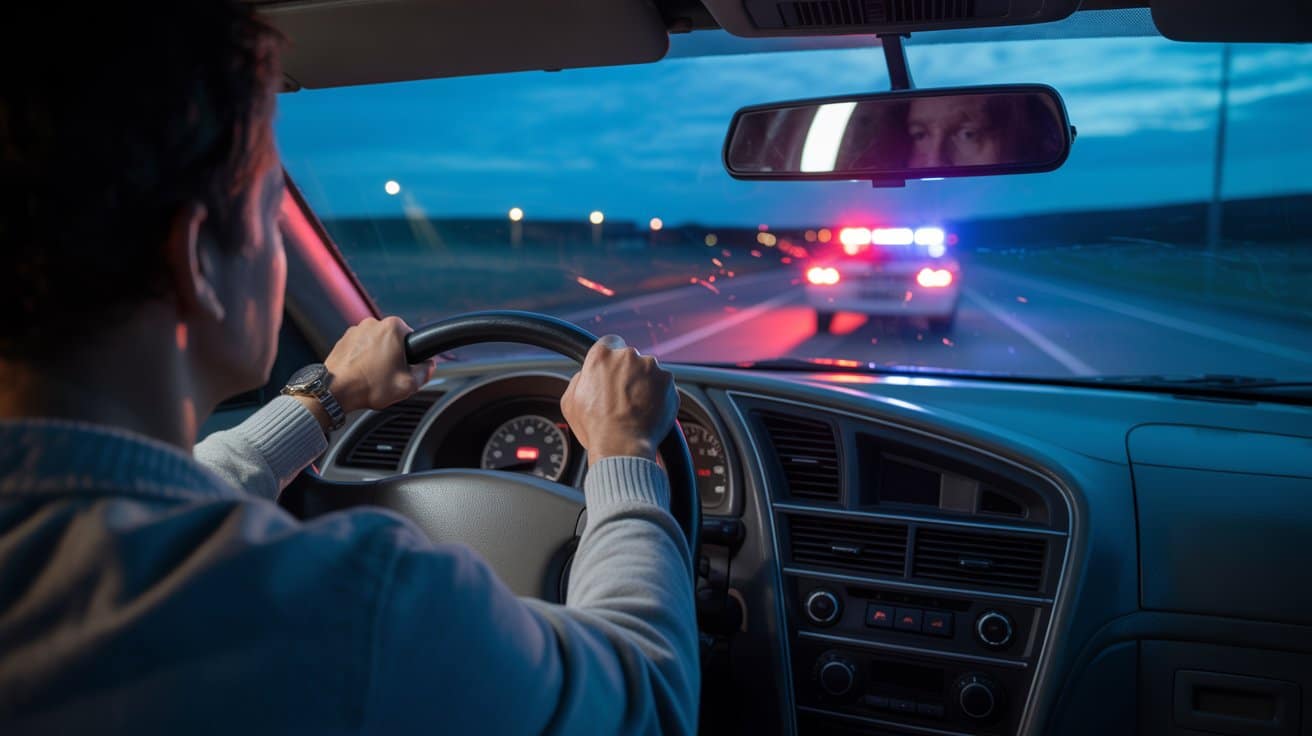
Understanding the exact legal alcohol limit in Minnesota is crucial for any driver navigating the state’s roads. A simple misunderstanding of how much alcohol impairs your driving can lead to devastating consequences, including hefty fines, the loss of your driver’s license, and severe criminal charges. Whether you are heading home from a dinner party or a sporting event, knowing the strict Minnesota DWI (Driving While Impaired) laws is your first line of defense.
In Minnesota, the legal Blood Alcohol Concentration (BAC) limit is not a simple, one-size-fits-all number. The limits vary significantly depending on your age, the type of vehicle you are operating, and your previous driving record. At the Wolfgram Law Firm, our criminal defense attorneys have successfully defended countless clients against DWI charges by challenging the science and legality of BAC tests. Below, we provide a comprehensive, expert breakdown of the legal alcohol limits across the state and explain the harsh realities of a DWI conviction.
The Standard Legal Alcohol Limit for Adult Drivers
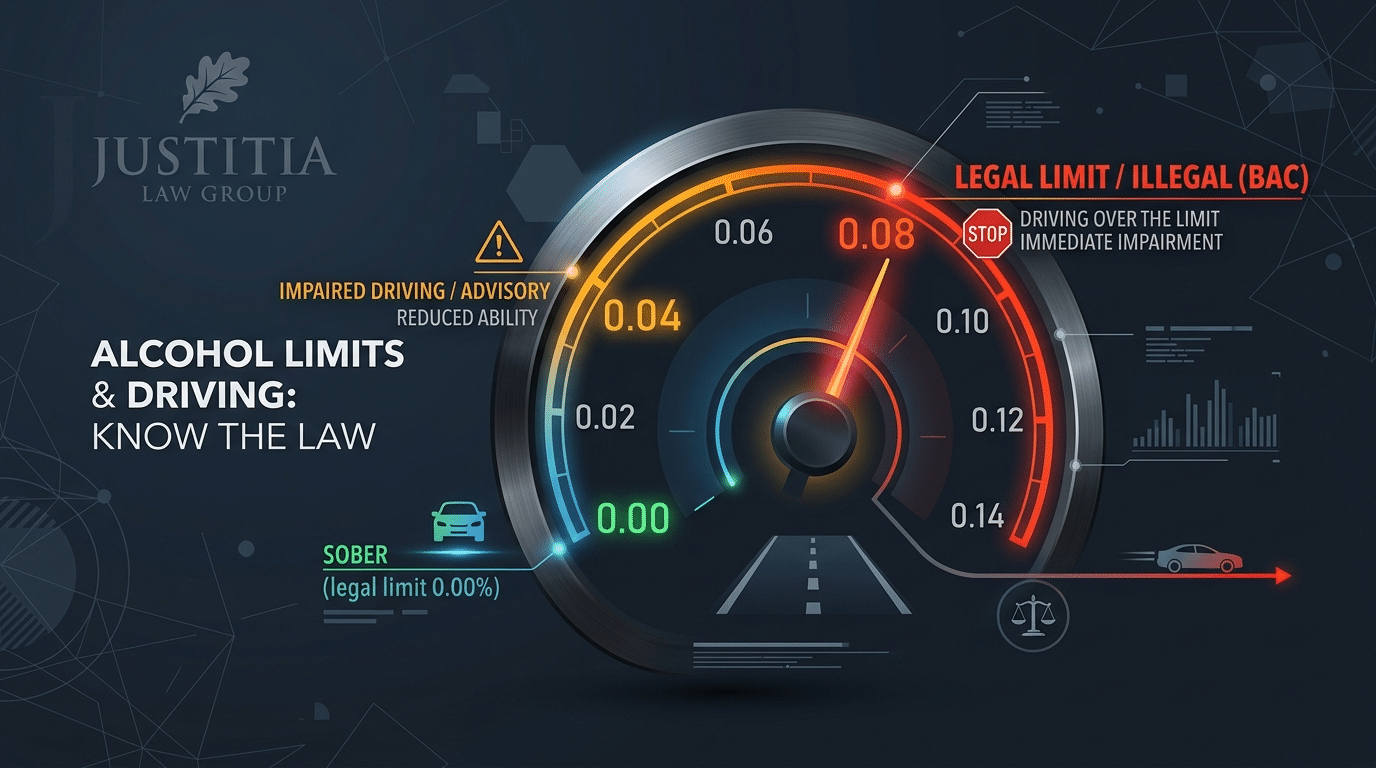
For standard adult drivers operating a regular passenger vehicle, the legal alcohol limit in Minnesota is 0.08 BAC. If a chemical test–such as a blood, breath, or urine test–shows that your BAC is 0.08 or higher, you are legally presumed to be impaired. This standard applies to anyone who is 21 years of age or older.
It is important to understand that reaching a 0.08 BAC does not require excessive drinking. For many people, consuming just two or three standard alcoholic beverages within a short period is enough to put them over the legal limit. Once you hit this threshold, law enforcement officers possess the legal authority to arrest you for a DWI, resulting in immediate criminal and civil penalties.

Enhanced Penalties for a High BAC (0.16 or Higher)
Minnesota law treats exceptionally high BAC levels with extreme severity. If your chemical test reveals a BAC of 0.16 or higher–exactly double the legal limit–you face enhanced, aggravated penalties.
A standard first-time DWI under 0.16 is typically charged as a Fourth-Degree Misdemeanor. However, if your BAC hits 0.16, the state automatically escalates the charge to a Third-Degree Gross Misdemeanor. This significant jump in severity means you will face the following enhanced consequences:
- Increased Jail Time: A potential sentence of up to one year in jail.
- Higher Fines: Criminal fines reaching up to $3,000.
- License Revocation: Your driver’s license will be revoked for a full year, rather than the standard 90 days.
- Mandatory Interlock: You will be required to install an Ignition Interlock Device (IID) in your vehicle at your own expense to regain driving privileges during that year.
Zero Tolerance: The Under 21 Legal Alcohol Limit
Minnesota enforces a strict “Not a Drop” law for underage drivers. For anyone under the age of 21, the legal alcohol limit is 0.00 BAC. This is a zero-tolerance policy; if an underage driver has any detectable amount of alcohol in their system, they violate the law.
An underage drinking and driving offense usually leads to an immediate license suspension of 30 days for a first offense, and up to 180 days for a second offense. Furthermore, if the underage driver’s BAC registers at 0.08 or higher, they will be charged with a full adult DWI and face the exact same severe criminal penalties as an adult offender.
Commercial Drivers (CDL) and Lower BAC Limits
Commercial drivers operate under much stricter regulations. If you hold a Commercial Driver’s License (CDL) and are driving a commercial vehicle (such as a semi-truck or a delivery van), the legal alcohol limit is slashed in half to 0.04 BAC.
Because commercial vehicles pose a significantly higher risk to public safety, a CDL DWI conviction carries devastating professional consequences. A first-time conviction will result in a mandatory one-year disqualification of your commercial driving privileges. A second conviction will result in a lifetime ban, permanently ending your commercial driving career.
Can You Get a DWI if Your BAC is Under 0.08?
One of the most dangerous misconceptions is that you are entirely safe from arrest as long as your BAC is under 0.08. In Minnesota, you can absolutely be arrested and convicted of a DWI with a BAC of 0.05, 0.06, or 0.07.
Law enforcement officers do not rely solely on a chemical test to make an arrest. If an officer observes that your driving is erratic–such as weaving between lanes, driving excessively slowly, or running a red light–and you fail the roadside Field Sobriety Tests, they can arrest you for driving while impaired by alcohol or drugs, regardless of the exact number on the breathalyzer.
Additionally, Minnesota DWI laws strictly cover impairment caused by prescription medications, over-the-counter drugs, and controlled substances. There is no specific numerical “legal limit” for drugs; if the state can prove that the substance impaired your ability to safely operate a motor vehicle, you will face a DWI conviction.
How Many Drinks Does It Take to Reach the Legal Limit?
There is no exact formula to determine how many drinks will push you over the 0.08 limit. Your Blood Alcohol Concentration depends on a complex combination of biological and environmental factors, including:
- Body Weight and Composition: People with higher body weight generally have more water in their bodies to dilute the alcohol.
- Biological Sex: Men and women metabolize alcohol at different rates due to varying levels of enzymes in the stomach.
- Rate of Consumption: Drinking rapidly prevents your liver from processing the alcohol, causing your BAC to spike quickly.
- Food Intake: Drinking on an empty stomach allows alcohol to enter your bloodstream much faster than if you have eaten a heavy meal.
Online BAC calculators and charts are notoriously inaccurate and should never be relied upon to make legal driving decisions. The only safe way to avoid a DWI is to designate a sober driver or use a rideshare service if you plan on drinking.
Take Immediate Action to Protect Your Future

A DWI arrest sets off a rapid chain of events that immediately threatens your freedom, your financial stability, and your ability to drive. If you wait to hire an attorney, you risk missing crucial legal deadlines, such as the strict 60-day window to file a formal challenge against your license revocation.
You need aggressive, experienced legal representation to fight back against the state’s evidence. At the Wolfgram Law Firm, we dissect police reports, expose errors in breathalyzer calibration, and fiercely negotiate with prosecutors to protect your rights. If you are facing DWI charges in Minnesota, contact us today for a free, confidential consultation. Let us build a customized defense strategy to secure the best possible outcome for your case.
Frequently Asked Questions
How long does a DWI stay on your record in Minnesota?
A DWI conviction is permanent and stays on your Minnesota criminal record forever. However, under specific circumstances, you may be eligible to petition the court for criminal expungement after successfully completing your probation and waiting the required statutory period.
Can a first-time DWI be dismissed if my BAC was exactly 0.08?
Yes, it is possible. A skilled defense attorney can often negotiate a dismissal or a reduction to Careless Driving if your BAC was exactly 0.08. We frequently achieve this by aggressively challenging the margin of error of the breathalyzer machine or exposing an illegal traffic stop.
Do I need a lawyer for a first-time DWI in Minnesota?
Yes, hiring an experienced criminal defense lawyer is essential, even for a first-time offense. An attorney will navigate the complex dual-track system (criminal court and civil license revocation), fight to keep you out of jail, and work diligently to prevent a permanent criminal conviction from ruining your future.
Our Reviews

Client
Testimonials
 Wolfgram Law Firm Criminal Defense

Canadian Pacific Plaza, 120 South 6th St Unit 2305, Minneapolis
-
Adam and his team here are outstanding and 100% will go the extra mile always staying in great communication.


Our Location
Canadian Pacific Plaza, 120 South 6th Street, Suite 2305, Minneapolis, Minnesota 55402, United States


Call Us
612-584-3675 Hours: 9am - 5pm | Monday - Friday