
Our Blog
Can Domestic Violence Charges Be Dropped?
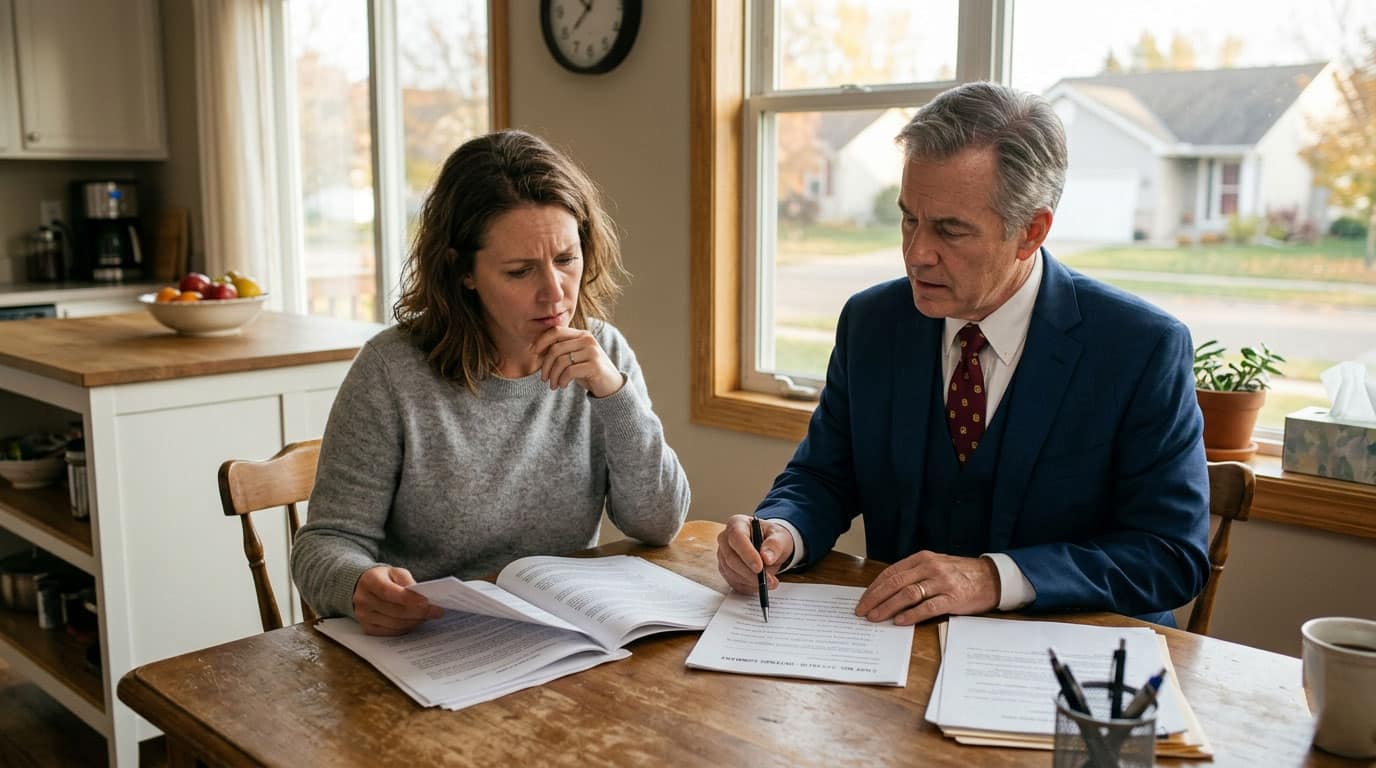

When someone calls the police during a heated argument at home, the situation can move fast. You may hear that the alleged victim wants the case to go away. You might even hear them say they will tell the prosecutor to drop everything. Unfortunately, that is not how Minnesota criminal cases usually work.
If you are asking whether domestic violence charges can be dropped, you are really asking two questions. First, can the alleged victim drop the charges? Second, can the prosecutor dismiss the case? The answers matter because they shape your defense strategy from day one.
At the Wolfgram Law Firm, our Minnesota domestic assault defense attorneys help clients facing domestic violence and related charges. We know how stressful these cases feel. We also know that dismissals happen when the evidence, the law, and the negotiation process line up the right way.
Can the Alleged Victim Drop Domestic Violence Charges in Minnesota?
In short, no. The alleged victim does not have the legal power to drop criminal charges after an arrest.
Many people believe that if the other person changes their mind, the case ends. That is a common myth. Once law enforcement refers a case to the prosecutor, the State of Minnesota controls whether charges move forward, get amended, or get dismissed.
The alleged victim can:
- Refuse to cooperate with investigators.
- Ask the prosecutor to dismiss the case.
- Decline to testify if subpoenaed.
- Provide a statement explaining what really happened.
However, none of those steps automatically ends the prosecution. The county attorney can still proceed using police reports, 911 recordings, body camera video, medical records, and witness statements.
This is one reason people search for answers after reading our posts on what is considered domestic assault in Minnesota and penalties for domestic violence in Minnesota. The law treats these cases seriously even when relationships change.
Who Actually Has the Power to Drop the Charges?
Only the prosecutor can dismiss domestic violence charges. In Minnesota, that usually means the city or county attorney handling the case in district court.
Prosecutors review cases based on:
- Whether they can prove each element of the offense beyond a reasonable doubt.
- Whether evidence was lawfully obtained.
- Whether witnesses are credible and available.
- Whether the alleged victim supports prosecution.
- Your criminal history and the severity of the allegations.
A skilled defense lawyer does not wait for the alleged victim to fix the problem. Instead, we challenge the case directly with the prosecutor and, when necessary, with the judge.

When Prosecutors May Dismiss Domestic Violence Charges
Dismissals are not guaranteed. Still, prosecutors do drop or reduce domestic cases in several common situations.
1. Weak or Conflicting Evidence
Domestic cases often depend on testimony and limited physical evidence. If witness statements conflict, injuries are minor or unexplained, or key evidence is missing, the prosecutor may struggle to meet the burden of proof.
2. Fourth Amendment or Procedural Problems
If police lacked probable cause for an arrest, conducted an illegal search, or violated your rights during questioning, your attorney may file a motion to suppress evidence. When critical evidence gets excluded, dismissal becomes much more likely.
3. Self-Defense or Lack of Intent
Minnesota domestic assault charges require proof of specific conduct and intent. If you acted in self-defense or the contact was accidental, the case may not support a conviction. Your lawyer should investigate the full timeline, not just the arrest report narrative.
4. The Alleged Victim Becomes a Hostile or Unavailable Witness
Prosecutors can still proceed without the alleged victim. However, if that person recants credibly, refuses to appear, or provides information that undermines the state’s theory, the prosecutor may reevaluate the file. This is not the same as the victim dropping charges, but it can lead to dismissal or a better plea offer.
5. Negotiated Resolution Through Diversion or Plea
Sometimes the state will agree to dismiss charges after you complete conditions such as counseling, anger management, or a domestic abuse assessment. Other times, the prosecutor amends the charge to a non-domestic offense. That outcome can reduce long-term consequences, including firearm restrictions and future enhancement under Minnesota’s repeat domestic violence laws.
What Usually Does Not Work on Its Own
Some strategies sound helpful but rarely end a case by themselves.
- Apologizing to the alleged victim: This can be used against you and may violate a no-contact order.
- Contacting the alleged victim after arrest: A Domestic Abuse No Contact Order (DANCO) may forbid all contact. Violations create new charges.
- Waiting and hoping: Deadlines move quickly. Court dates, discovery, and plea offers all have timelines.
- Representing yourself: Domestic cases involve criminal penalties and collateral consequences that affect housing, employment, and gun rights.
If you already have court orders in place, read our guidance on domestic assault charges and no-contact orders and speak with counsel before you take any action.
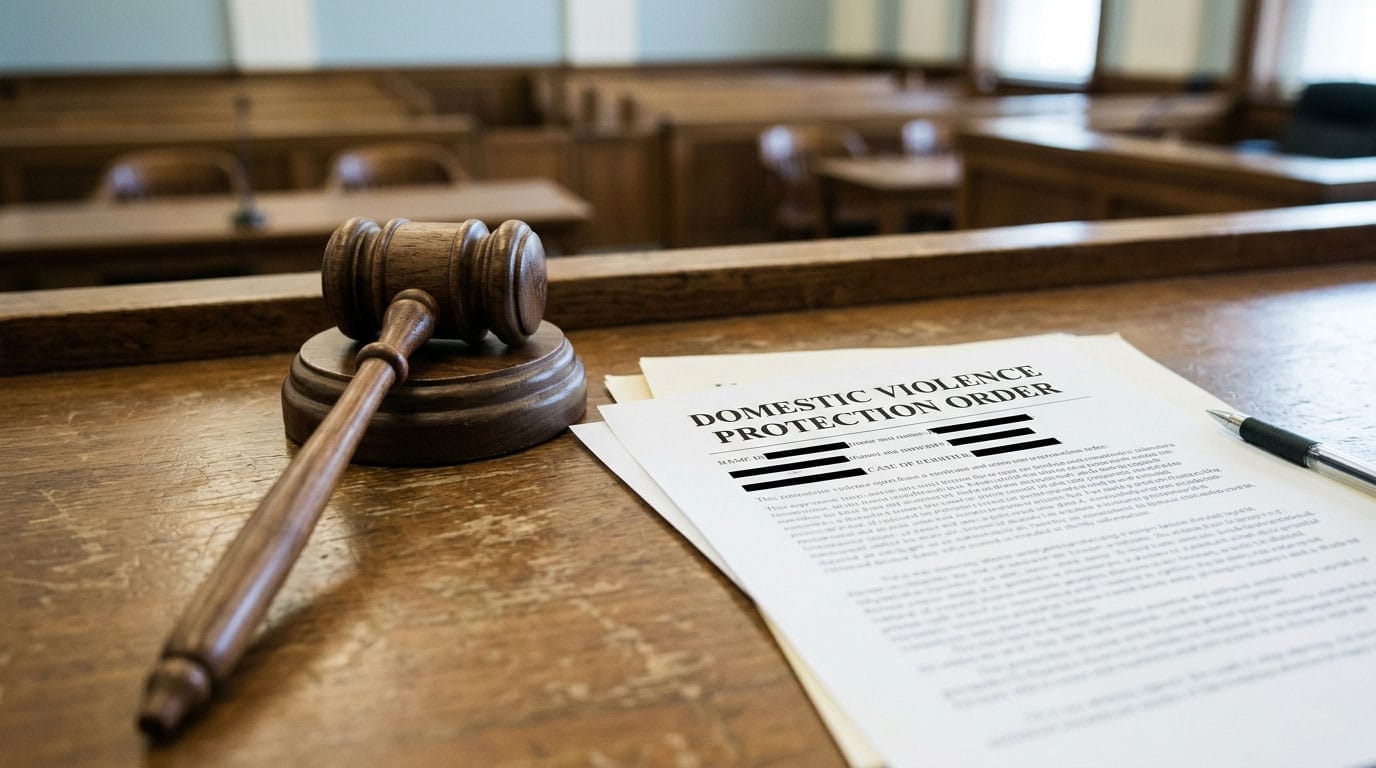
How a Minnesota Defense Attorney Helps You Pursue a Dismissal
At Wolfgram Law Firm, we treat every domestic case as urgent. Your freedom, reputation, and family relationships may all be on the line. Our team investigates early and builds a record that gives the prosecutor a reason to dismiss or reduce the charges.
Our work often includes:
- Obtaining and reviewing 911 calls, body camera footage, and police reports.
- Interviewing witnesses and documenting inconsistencies.
- Filing motions to suppress illegally obtained evidence.
- Negotiating with the prosecutor before trial.
- Preparing for trial when dismissal is not offered.
We have helped clients facing serious allegations achieve favorable outcomes, including dropped charges, when the facts and the law support that result. You can learn more about our approach on our attorneys and staff page and read client reviews.
Collateral Consequences Even If Charges Are Pending
Even while charges are pending, you may face:
- A no-contact order that removes you from your home.
- Conditions of release such as electronic monitoring or bail.
- Employment and licensing complications.
- Firearm possession restrictions tied to domestic-related charges.
Because of that, getting charges dropped or reduced is not only about avoiding jail. It is about protecting your daily life while the case is open.

What to Do If You Want Domestic Violence Charges Dropped
If you or someone you love is facing domestic violence allegations in Minnesota, act quickly. Do not rely on the alleged victim to end the case. Instead, build a defense that forces the state to prove its case—or to walk away when it cannot.
Contact Wolfgram Law Firm for a free consultation. Call (612) 584-3675 or use our online contact form. We will explain your options honestly and fight for the best possible outcome.
This article is for general informational purposes only and does not constitute legal advice. Every case is different. Consult a licensed Minnesota criminal defense attorney about your specific situation.
Frequently Asked Questions
Can domestic violence charges be dropped if the victim does not press charges?
No. Minnesota does not use a pressing charges system controlled by the alleged victim. After police make an arrest, the prosecutor decides whether to file, continue, or dismiss the case.
How long does it take for domestic violence charges to get dropped?
There is no fixed timeline. Some cases resolve at the first hearing if evidence is weak. Others take weeks or months while your attorney negotiates or litigates motions. Acting early with a lawyer usually improves your options.
Can a lawyer get domestic assault charges dismissed in Minnesota?
Yes, in the right cases. An attorney can challenge evidence, negotiate with the prosecutor, and take the matter to trial if needed. Dismissal depends on the facts, the law, and how aggressively your defense is prepared.
What is the difference between dropped charges and an acquittal?
Dropped charges mean the prosecutor dismissed the case before trial. An acquittal means a judge or jury found you not guilty after trial. Both avoid conviction, but they happen at different stages.
Will charges be dropped if the victim recants?
Not automatically. Recantations help in some cases, but prosecutors may still proceed if other evidence supports the charge. The context of the recantation and the remaining proof matter greatly.
Can domestic violence charges be reduced instead of dropped?
Yes. Prosecutors sometimes amend charges, offer diversion, or resolve cases through plea agreements that reduce penalties and collateral consequences. Your attorney should pursue the best outcome available, not only outright dismissal.
Our Reviews

Client
Testimonials
 Wolfgram Law Firm Criminal Defense

Canadian Pacific Plaza, 120 South 6th St Unit 2305, Minneapolis
-
Adam and his team here are outstanding and 100% will go the extra mile always staying in great communication.


Our Location
Canadian Pacific Plaza, 120 South 6th Street, Suite 2305, Minneapolis, Minnesota 55402, United States


Call Us
612-584-3675 Hours: 9am - 5pm | Monday - Friday