
Our Blog
What Is Considered Domestic Assault in Minnesota?


Domestic violence charges can shatter families, ruin reputations, and lead to severe criminal penalties. When the police arrive at a heated argument, they often feel compelled to arrest someone. However, many people completely misunderstand what actually constitutes a crime. Therefore, you might urgently wonder exactly what is considered domestic assault in Minnesota.
At the Wolfgram Law Firm, our criminal defense attorneys have successfully handled countless assault cases. We know that emotions run high and false accusations happen frequently. To protect yourself, you must understand exactly how Minnesota law defines this specific offense.
The Core Definition: Minnesota Statute 609.2242
In Minnesota, domestic assault is not just a standard assault that happens inside a house. Instead, the law requires a very specific relationship between the individuals involved. According to Minnesota Statute 609.2242, an assault only becomes a “domestic” assault if you commit the act against a “family or household member.”
If the victim does not fit the legal definition of a family or household member, the state cannot charge you with domestic assault. Instead, they would charge you with regular Fifth-Degree Assault or another criminal offense.
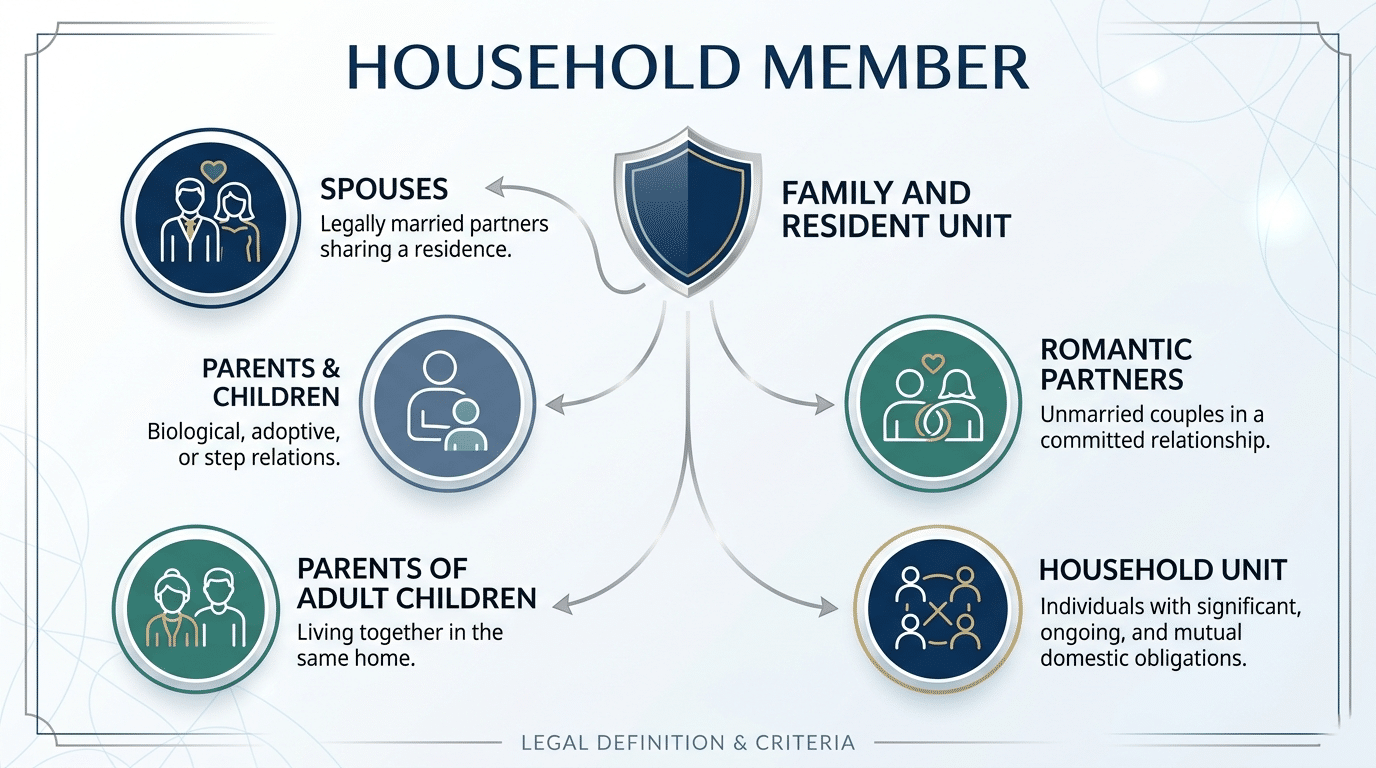
Who Counts as a “Family or Household Member”?
Minnesota law broadly defines who qualifies as a family or household member. Consequently, the definition covers far more people than just a married couple. The law specifically includes:
- Spouses and former spouses.
- Parents and children.
- People related by blood.
- People who currently live together or formally lived together in the same home.
- People who have a child together, even if they never married or lived together.
- People involved in a significant romantic or sexual relationship.
The Two Types of Domestic Assault
Many people mistakenly believe that domestic assault requires physical violence. In reality, this is completely false. Minnesota law strictly divides domestic assault into two distinct categories: “Fear-Based” assault and “Harm-Based” assault.
1. Fear-Based Domestic Assault
You can be charged with domestic assault even if you never touch the other person. To prove fear-based assault, the prosecutor must show that you committed an act with the specific intent to cause fear of immediate bodily harm or death. For example, if you throw a heavy object at the wall next to someone’s head, or raise your fist as if you are going to strike them, the police can arrest you for domestic assault.

2. Harm-Based Domestic Assault
Harm-based assault involves actual physical contact. Specifically, this occurs when you intentionally inflict, or attempt to inflict, bodily harm upon a family or household member. This includes slapping, punching, pushing, or grabbing someone aggressively.
The Severe Consequences of a Conviction
A standard, first-time domestic assault charge is classified as a misdemeanor. This charge carries a maximum penalty of 90 days in jail and a $1,000 fine. However, Minnesota harshly punishes repeat offenders through “enhancements.”
If you have a prior domestic violence-related conviction within the last ten years, the state will automatically enhance your new charge to a gross misdemeanor. This exposes you to up to one year in jail. Furthermore, if you have two or more prior convictions within a ten-year period, the state will charge you with a felony. A felony conviction can result in years of prison time and the permanent loss of your right to own a firearm.
Collateral Consequences: DANCO and OFP
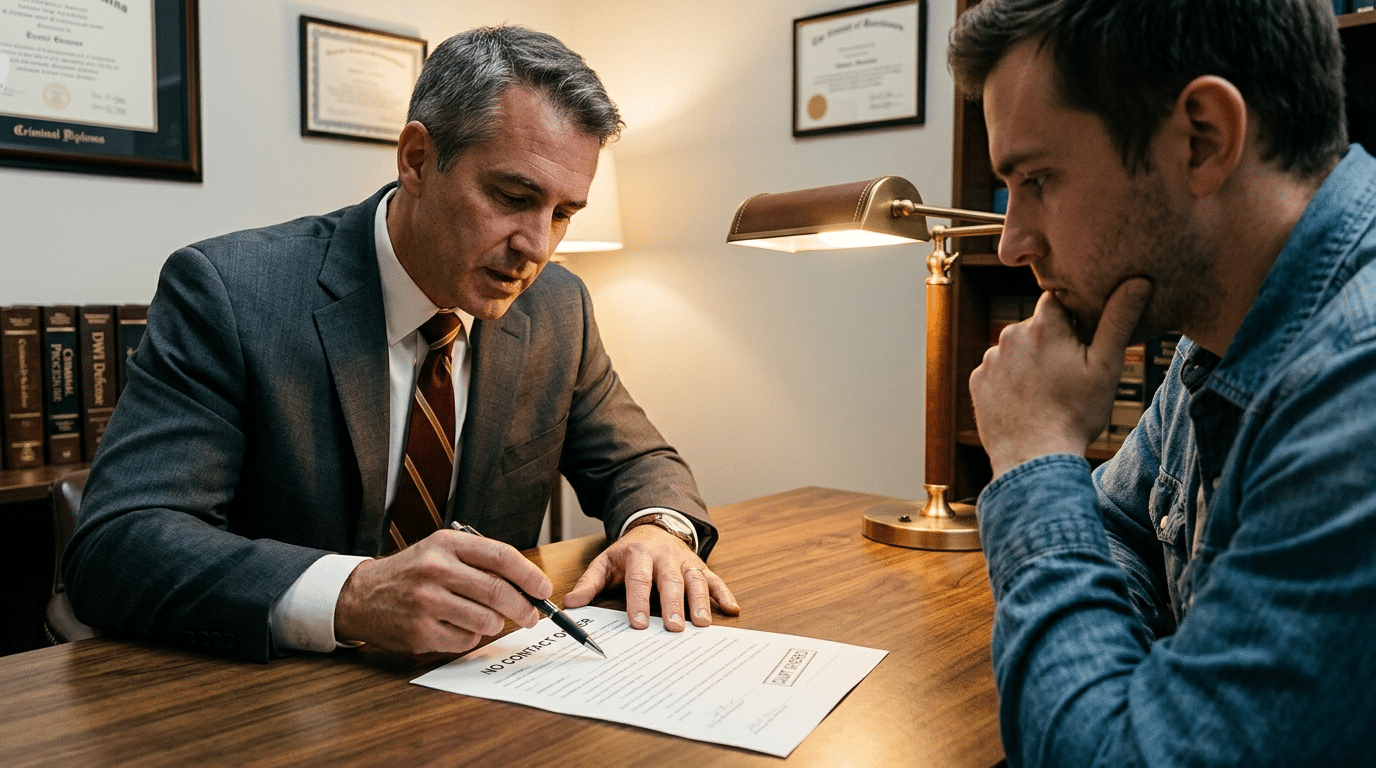
Beyond jail time, an arrest immediately triggers harsh collateral consequences. In almost every case, the judge will issue a Domestic Abuse No Contact Order (DANCO). A DANCO legally forbids you from communicating with the alleged victim or returning to your own home. Violating a DANCO is a completely separate crime that can result in additional jail time.
In addition, the alleged victim might file for an Order for Protection (OFP) in civil court. Because these restrictions completely disrupt your life, you need an aggressive defense strategy right away.
How a Defense Attorney Can Help
At the Wolfgram Law Firm, we deeply understand the nuances of Minnesota domestic assault laws. We know that alleged victims sometimes fabricate stories out of anger, jealousy, or to gain an advantage in a divorce or custody battle. Alternatively, you may have simply acted in self-defense. We thoroughly investigate the police reports, interview witnesses, and fiercely protect your rights in court. Please contact our assault defense lawyers today for a free consultation.
Frequently Asked Questions
Can I be charged with domestic assault if I didn’t actually hit anyone?
Yes, absolutely. Under Minnesota law, you can be charged with “fear-based” domestic assault if you commit an act with the intent to make a family or household member fear immediate bodily harm. No physical contact is required.
What happens if the victim wants to drop the domestic assault charges?
In Minnesota, the victim does not have the power to drop the charges. Once the police make an arrest, only the state prosecutor has the authority to dismiss the case. Even if the victim refuses to testify, the prosecutor may still move forward using police reports, 911 calls, and body camera footage.
Can I go back to my house after a domestic assault arrest?
Typically, no. The judge will almost certainly issue a Domestic Abuse No Contact Order (DANCO) during your first court appearance. This order legally prohibits you from returning to the shared residence or contacting the alleged victim until the judge lifts or modifies the order.
Our Reviews

Client
Testimonials
 Wolfgram Law Firm Criminal Defense

Canadian Pacific Plaza, 120 South 6th St Unit 2305, Minneapolis
-
Adam and his team here are outstanding and 100% will go the extra mile always staying in great communication.


Our Location
Canadian Pacific Plaza, 120 South 6th Street, Suite 2305, Minneapolis, Minnesota 55402, United States


Call Us
612-584-3675 Hours: 9am - 5pm | Monday - Friday