
Our Blog
What Are Controlled Substances in Minnesota?
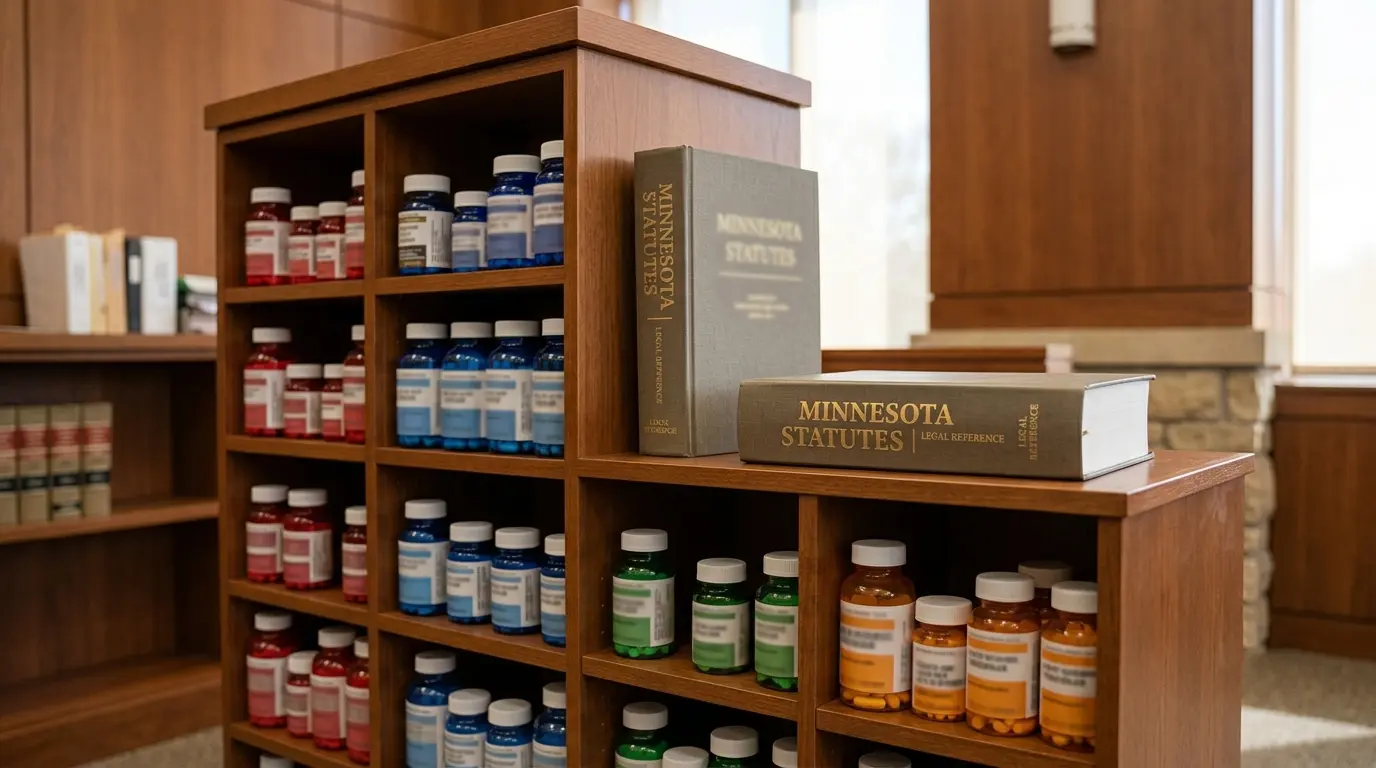

Controlled substances Minnesota law regulates under Chapter 152 include heroin, methamphetamine, cocaine, fentanyl, and many prescription drugs without valid prescriptions. Drugs are ranked in Schedules I through V based on abuse potential and accepted medical use.
Schedule level directly affects criminal charge severity. Furthermore, cannabis now follows separate rules under Chapter 342 for adults 21 and older.
At the Wolfgram Law Firm, our drug crimes defense attorneys handle cases involving all controlled substances Minnesota prosecutors charge. This guide explains schedules and what makes a drug controlled.
What Are Controlled Substances Minnesota Regulates?
A controlled substance is a drug Minnesota law places on a formal schedule under Statute 152.02. The state adopts and modifies schedules based on federal classifications and Minnesota-specific additions.
Possessing, selling, or manufacturing a scheduled drug without authorization may violate Minnesota Statutes Chapter 152. Penalties depend on schedule, amount, and whether the conduct involved sale or possession.
Not every drug is controlled. Over-the-counter medications and legal cannabis within state limits fall outside standard Schedule I–V possession crimes in many situations.
Schedule I: Highest Restrictions

Schedule I controlled substances Minnesota lists include drugs with high abuse potential and no accepted medical use under state and federal law.
Examples commonly charged in Minnesota courts include heroin, LSD, MDMA (ecstasy), psilocybin mushrooms, and many synthetic opioids.
Schedule I possession and sale charges often carry the harshest felony degrees. Even small amounts may support serious prison exposure depending on the statute section charged.
Schedule II: Medical Use With High Abuse Risk
Schedule II controlled substances Minnesota regulates include drugs with accepted medical uses but high abuse potential. These require prescriptions and strict dispensing controls.
Common examples include oxycodone, hydrocodone, fentanyl, methamphetamine (Desoxyn), Adderall, and cocaine (limited medical use).
Possessing Schedule II pills without a valid prescription may support felony charges. Sale of these substances typically triggers enhanced penalties and mandatory minimums at higher quantities.
Schedules III, IV, and V
Lower schedules include drugs with progressively lower abuse potential and wider medical acceptance.
Schedule III may include certain anabolic steroids, ketamine, and some combination products. Schedule IV includes Xanax, Valium, Ambien, and Tramadol.
Schedule V covers preparations with limited narcotic content — such as small-codeine cough syrups. Controlled substances Minnesota charges for lower schedules may still be felonies depending on amount and conduct.
Cannabis and Controlled Substances Minnesota Law
Adult recreational cannabis is legal in Minnesota within specific limits under Chapter 342. However, controlled substances Minnesota rules still apply to cannabis in several situations.
Possession over legal limits, use by minors, impaired driving, and possession on certain properties may still be criminal. Illegal sale outside the licensed system remains a serious offense.
Importantly, driving under the influence of cannabis is a DWI offense — not a simple possession matter. Minnesota uses DWI, not DUI, for impaired driving cases.
Prescription Drugs Without a Prescription

Possessing someone else’s prescription medication may violate controlled substances Minnesota statutes even when the drug has legitimate medical uses.
Sharing prescription pills with friends or family members may support distribution charges. Officers treat pill possession similarly to street drug cases when no valid prescription exists.
Valid prescriptions in your name for the medication possessed are an important defense. Keep pharmacy records and prescription bottles available for your attorney.
Synthetic Drugs and Emerging Substances
Minnesota regularly updates schedules to cover synthetic cannabinoids (“Spice”), fentanyl analogs, and designer stimulants. These substances may be listed by specific chemical name or broad analog statutes.
Defendants sometimes possess substances they did not know were illegal. However, ignorance of scheduling is generally not a complete defense if possession is proven.
Lab testing is essential to confirm the exact substance charged. Field tests and officer assumptions may be wrong — creating important defense opportunities.
How Schedules Affect Charge Severity
Controlled substances Minnesota charge degrees combine schedule level with drug weight and conduct type. Schedule I and II drugs at lower weights may still support felony charges.
Sale charges generally exceed possession charges at the same schedule and weight. Prior convictions and aggravating locations may enhance degrees further.
Understanding the exact substance listed on the lab report — not just the street name officers use — may reveal charge reduction opportunities.
Charged With a Controlled Substance Crime?

Controlled substances Minnesota cases turn on lab results, search legality, and schedule classification. An experienced attorney may challenge each element.
At Wolfgram Law Firm, we defend clients facing charges involving all drug schedules. Contact us today for a free and confidential consultation.
Our Minnesota criminal defense attorneys serve Hennepin County, Ramsey County, and clients statewide.
Frequently Asked Questions
Is marijuana a controlled substance in Minnesota?
Adult cannabis use is legal within limits under separate Minnesota cannabis law. However, possession beyond legal limits or by minors may still be criminal.
Illegal sale and possession on certain properties may still fall under controlled substances Minnesota enforcement.
Are prescription pills controlled substances in Minnesota?
Many prescription medications are Schedule II, III, or IV controlled substances. Possessing them without a valid prescription may support criminal charges.
Sharing or selling prescription pills may lead to distribution charges with harsher penalties than simple possession.
What is the difference between Schedule I and Schedule II drugs?
Schedule I drugs have no accepted medical use under state and federal law. Schedule II drugs have accepted medical uses but high abuse potential requiring strict prescription controls.
Both schedules may support serious felony charges in Minnesota depending on amount and whether the case involves sale or possession.
This article is provided for informational purposes only and does not constitute legal advice. Every criminal case is unique. If you need legal advice regarding your specific situation, consult our experienced Minnesota criminal defense attorney.
Our Reviews

Client
Testimonials
 Wolfgram Law Firm Criminal Defense

Canadian Pacific Plaza, 120 South 6th St Unit 2305, Minneapolis
-
Adam and his team here are outstanding and 100% will go the extra mile always staying in great communication.


Our Location
Canadian Pacific Plaza, 120 South 6th Street, Suite 2305, Minneapolis, Minnesota 55402, United States


Call Us
612-584-3675 Hours: 9am - 5pm | Monday - Friday