
Our Blog
Difference Between Drug Possession and Drug Distribution
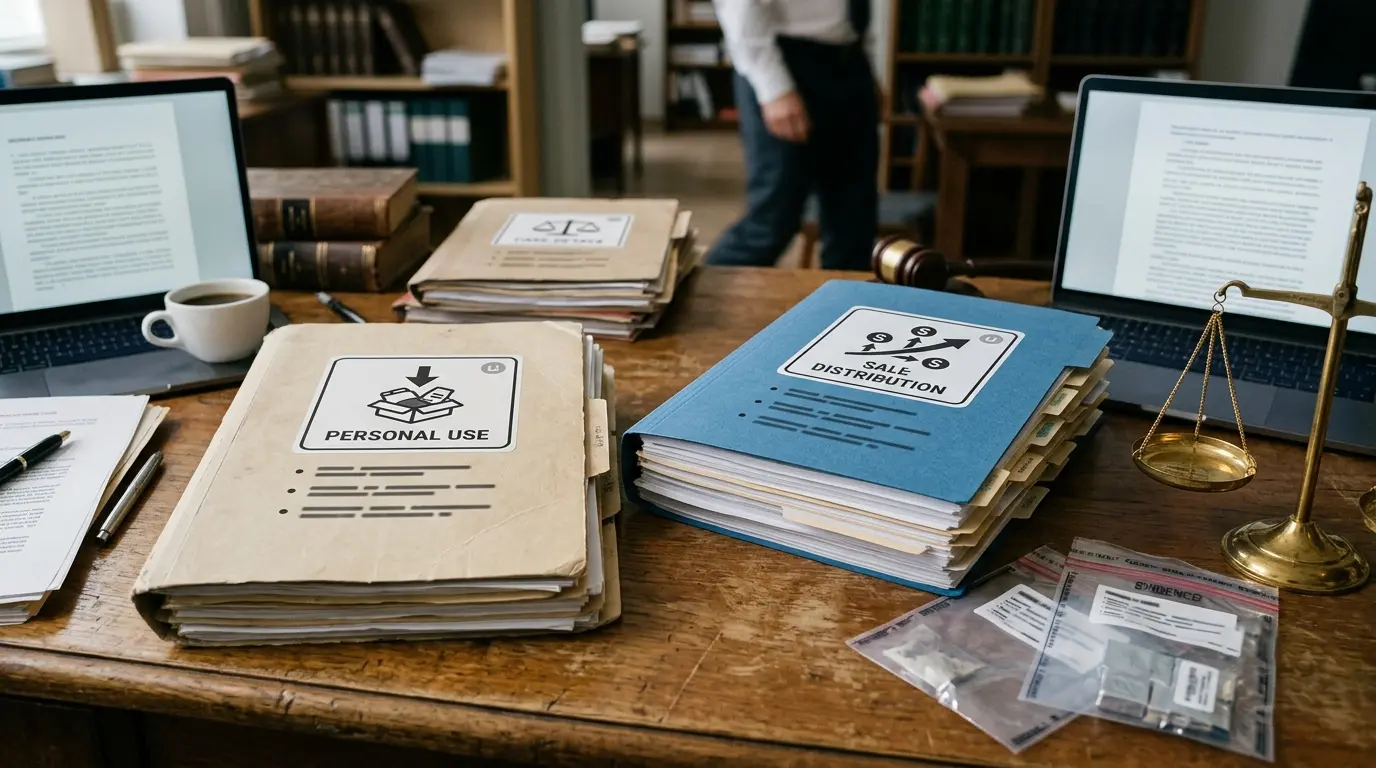

The difference between drug possession vs distribution in Minnesota often comes down to intent, quantity, and how drugs are packaged — not just what substance officers found. Distribution and sale charges carry far harsher penalties than simple possession.
Prosecutors may charge sale based on scales, baggies, cash, or witness statements. Furthermore, the same drug amount may support either charge depending on surrounding evidence.
At the Wolfgram Law Firm, our drug crimes defense attorneys fight sale enhancements in drug possession vs distribution cases statewide. This guide explains how Minnesota distinguishes the two.
Drug Possession vs Distribution: Legal Definitions
Possession means knowingly having control over a controlled substance. Minnesota law covers this through fifth-degree and higher possession statutes under Statutes 152.021 through 152.025.
Distribution — including sale, delivery, or possession with intent to sell — involves transferring drugs to others or holding them primarily for sale. The same statutes address sale degrees by quantity and drug type.
Importantly, you may face distribution charges even without a completed sale. Possession with intent to sell may be inferred from packaging and other evidence.
How Prosecutors Prove Distribution Intent

In drug possession vs distribution cases, prosecutors rely on circumstantial evidence to prove sale intent.
- Digital scales and precision weighing tools
- Individual baggies, bindles, or wax paper packets
- Large amounts of cash in small denominations
- Multiple cell phones or coded text messages
- Witness statements from buyers or confidential informants
- Drugs separated into sale-sized portions
None of these items alone always proves distribution. A skilled defense attorney may offer innocent explanations for many items.
Charge Degree Differences in Minnesota
Both possession and sale use the first- through fifth-degree framework under Chapter 152. However, drug possession vs distribution charges at the same degree level may carry different sentencing outcomes.
Sale of any amount of certain Schedule I or II drugs may trigger felony charges. Larger quantities push cases to first- or second-degree felonies with mandatory minimum prison terms.
Simple fifth-degree possession — without sale evidence — may be a gross misdemeanor or lower-level felony. The difference may mean probation instead of years in prison.
Penalties: Possession vs Sale
Drug possession vs distribution sentencing gaps can be dramatic in Minnesota courts.
Possession penalties for lower degrees may include probation, treatment, and short jail terms. First-time offenders may qualify for diversion or drug court.
Distribution penalties for the same drug type may include mandatory minimum prison sentences, higher fines, and forfeiture of cash, vehicles, and property.
Additionally, sale convictions may trigger enhanced charges for subsequent offenses and harsher treatment in plea negotiations.
Common Scenarios That Blur the Line

Several situations commonly create drug possession vs distribution disputes in Minnesota cases.
Shared drugs at a party: Passing a joint or sharing pills may look like distribution even when no money changes hands.
Buying in bulk for personal use: A large cannabis or pill quantity may look like sale inventory to officers.
Rideshare or borrowed cars: Drugs found in a vehicle may lead to possession charges against the driver and passengers — with sale enhancements if packaging suggests dealing.
Defense Strategies in Distribution Cases
Defending drug possession vs distribution charges requires attacking both the substance evidence and the intent inference.
Your attorney may challenge the traffic stop or search that uncovered the drugs. Without admissible evidence, sale and possession counts may both fail.
Factual defenses may show the drugs were for personal use — one user’s supply, legal cannabis within limits, or prescription medication.
Negotiating a plea to pure possession — dropping sale enhancements — may dramatically reduce sentencing exposure when evidence of intent is weak.
Why the Distinction Matters for Your Future
A distribution conviction may carry longer prison terms and harsher collateral consequences than possession alone. Employment, housing, and professional licensing boards treat sale convictions especially seriously.
Vehicle and cash forfeiture proceedings often accompany sale charges. You may lose property even before criminal conviction in some cases.
Therefore, fighting a sale enhancement — or reducing it to possession — should be a top priority with experienced counsel.
Get Help Fighting Sale Enhancements

Drug possession vs distribution charging decisions are not final. Prosecutors overcharge sale cases regularly when evidence is thin.
At Wolfgram Law Firm, we challenge sale enhancements and fight for possession-level resolutions when the facts support it. Contact us today for a free and confidential consultation.
Our Minnesota criminal defense attorneys handle drug possession vs distribution cases across the Twin Cities and statewide.
Frequently Asked Questions
Can I be charged with sale without selling drugs?
Yes — Minnesota allows possession with intent to sell charges based on packaging, quantity, and other circumstantial evidence. An actual completed sale is not always required.
Your attorney may argue the evidence supports personal use only in drug possession vs distribution disputes.
Does sharing drugs count as distribution in Minnesota?
Sharing controlled substances without a prescription may support delivery or distribution charges in some cases. The specific facts and drug type matter greatly.
Social sharing cases sometimes resolve as possession rather than sale when a defense attorney challenges intent evidence.
Can a lawyer reduce a sale charge to possession?
Yes — charge reduction is a common negotiation goal when sale evidence is weak. Suppression motions and trial preparation create leverage for reduction.
Early attorney involvement improves your chances in drug possession vs distribution cases before plea deadlines pass.
This article is provided for informational purposes only and does not constitute legal advice. Every criminal case is unique. If you need legal advice regarding your specific situation, consult our experienced Minnesota criminal defense attorney.
Our Reviews

Client
Testimonials
 Wolfgram Law Firm Criminal Defense

Canadian Pacific Plaza, 120 South 6th St Unit 2305, Minneapolis
-
Adam and his team here are outstanding and 100% will go the extra mile always staying in great communication.


Our Location
Canadian Pacific Plaza, 120 South 6th Street, Suite 2305, Minneapolis, Minnesota 55402, United States


Call Us
612-584-3675 Hours: 9am - 5pm | Monday - Friday