
Our Blog
What Is a Domestic Violence Protection Order?
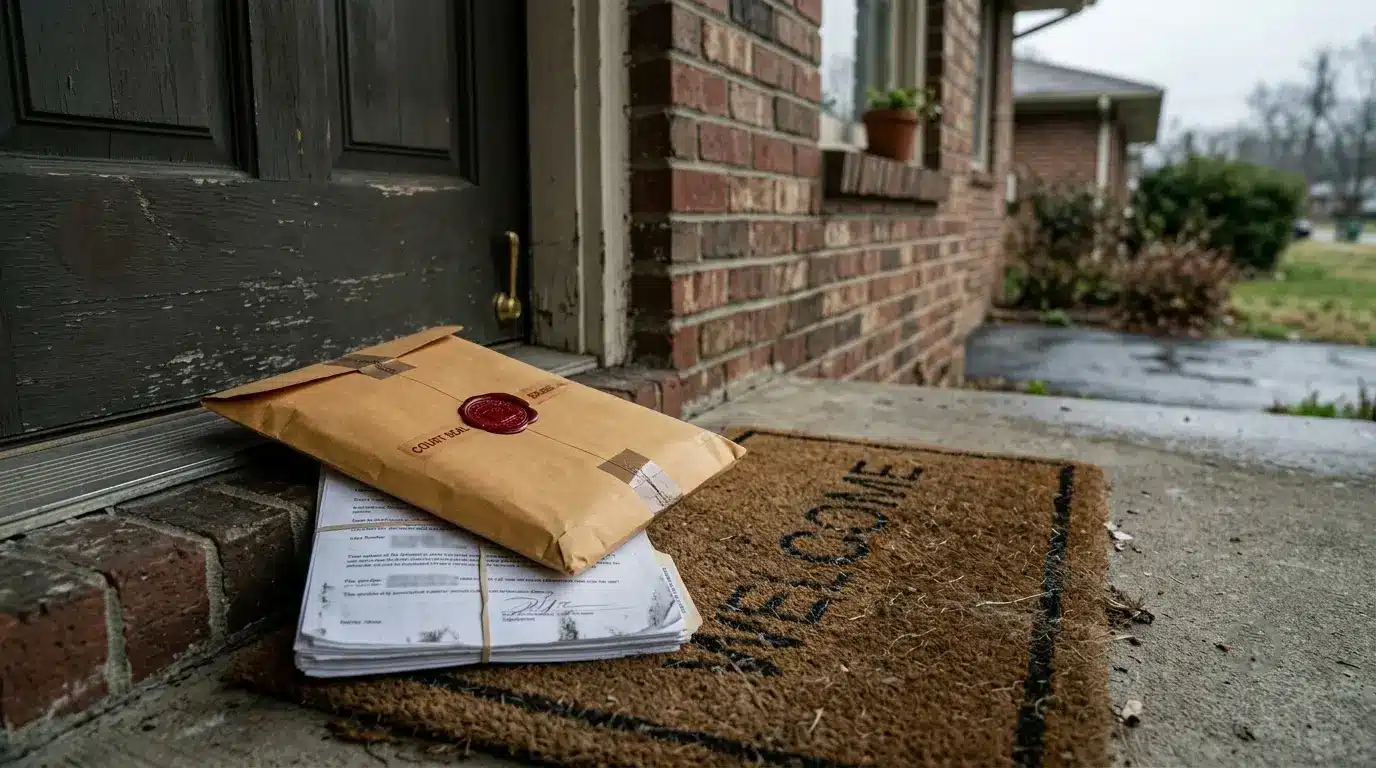
 A domestic violence protection order in Minnesota is a civil court order — usually called an Order for Protection (OFP) — that may forbid contact, grant temporary custody, and remove you from your home. It can last up to two years and may take effect before you get a full hearing.
Many people first learn about this process when a sheriff serves papers at their door. Furthermore, an OFP may exist alongside criminal domestic assault charges and a separate DANCO order.
At the Wolfgram Law Firm, our domestic assault defense attorneys help clients respond to every type of domestic violence protection order in Hennepin County and statewide. This guide explains how Minnesota OFPs work and what to do if you are served.
A domestic violence protection order in Minnesota is a civil court order — usually called an Order for Protection (OFP) — that may forbid contact, grant temporary custody, and remove you from your home. It can last up to two years and may take effect before you get a full hearing.
Many people first learn about this process when a sheriff serves papers at their door. Furthermore, an OFP may exist alongside criminal domestic assault charges and a separate DANCO order.
At the Wolfgram Law Firm, our domestic assault defense attorneys help clients respond to every type of domestic violence protection order in Hennepin County and statewide. This guide explains how Minnesota OFPs work and what to do if you are served.
What Is a Domestic Violence Protection Order in Minnesota?
Minnesota’s primary domestic violence protection order is the Order for Protection under Minnesota Statute 518B.01. It is a civil — not criminal — remedy available to family or household members who allege domestic abuse. Domestic abuse includes physical harm, fear of physical harm, terroristic threats, or certain criminal sexual conduct. The petitioner does not need a parallel criminal case to seek an OFP. Importantly, a domestic violence protection order may impose restrictions beyond simple no-contact rules. Judges may award temporary custody, child support, and exclusive home possession.Ex Parte Orders vs. Full Protection Order Hearings
 Many domestic violence protection order cases begin with an ex parte temporary order. The judge may grant this order based only on the petitioner’s sworn statement — before you present your side.
The temporary OFP may take effect immediately upon service. You must comply with every condition even if you believe the allegations are false.
Minnesota law requires a full hearing within a short timeframe — typically about 14 days. At that hearing, both parties may present evidence, witnesses, and testimony before the judge decides whether to issue a long-term order.
Many domestic violence protection order cases begin with an ex parte temporary order. The judge may grant this order based only on the petitioner’s sworn statement — before you present your side.
The temporary OFP may take effect immediately upon service. You must comply with every condition even if you believe the allegations are false.
Minnesota law requires a full hearing within a short timeframe — typically about 14 days. At that hearing, both parties may present evidence, witnesses, and testimony before the judge decides whether to issue a long-term order.
What Conditions a Protection Order May Include
Each domestic violence protection order lists specific terms on the court document. However, common conditions include the following restrictions and orders.- No contact by phone, text, email, social media, or third parties
- Stay-away orders from home, workplace, school, and daycare
- Temporary custody and parenting time arrangements
- Surrender of firearms and prohibition on purchasing weapons
- Payment of temporary child support or mortgage costs
- Counseling or evaluation requirements for either party
OFP vs. DANCO: Know the Difference
Clients often confuse a civil domestic violence protection order with a criminal DANCO. Both restrict contact, but they come from different courts and follow different procedures. An OFP is filed in family court under Statute 518B.01. A DANCO is issued in criminal court after a domestic assault arrest under Statute 629.75. You may face both orders simultaneously. When that happens, you must obey the stricter condition. Violating either order can produce serious legal consequences.
Penalties for Violating a Protection Order
Violating a domestic violence protection order is a criminal offense under Minnesota Statute 518B.01, subdivision 14. Even minor contact — like a single text message — may trigger arrest. First violations are typically misdemeanors. Repeated violations may become gross misdemeanors or felonies depending on circumstances and prior history. Additionally, a violation may hurt your position in related criminal domestic assault cases and family court custody disputes. Courts often view violations as proof that contact restrictions were necessary.How to Respond When You Are Served an OFP
Receiving a domestic violence protection order requires immediate, careful action. The following steps may protect your rights at the upcoming hearing. Read every page of the order. Note the hearing date, restricted locations, and custody provisions. Missing the hearing may result in a default long-term order against you. Stop all contact with the petitioner. Do not call, text, or send messages through friends or relatives. Any contact may become a criminal violation. Preserve evidence. Save texts, emails, call logs, photos, and witness contact information that support your defense. Hire an attorney before the hearing. OFP hearings move quickly and follow formal rules of evidence. Self-representation puts you at a serious disadvantage.Defending Against a Domestic Violence Protection Order
At the full hearing, your attorney may challenge the petitioner’s evidence and present your own witnesses. Effective defenses to a domestic violence protection order may include the following. False or exaggerated allegations: Inconsistent statements to police, family court, or in the petition may undermine credibility. Lack of qualifying domestic abuse: Not every argument or insult meets the statutory definition of domestic abuse under 518B.01. Self-defense evidence: Medical records, photos, or witnesses may show you were the person facing harm. Procedural defects: Improper service or failure to schedule a timely hearing may affect the order’s validity. Even when an OFP is granted, your attorney may argue for narrower conditions that allow parenting time or property access through neutral exchanges.Get Legal Help Before Your OFP Hearing
 A domestic violence protection order can reshape custody, housing, and finances within days. The ex parte stage is only the beginning — the full hearing is your chance to respond.
At Wolfgram Law Firm, we defend clients in both civil OFP hearings and criminal domestic cases. Contact us today for a free and confidential consultation as soon as you are served.
Our Minnesota criminal defense attorneys understand how family court orders interact with criminal charges — and how to fight back on both fronts.
A domestic violence protection order can reshape custody, housing, and finances within days. The ex parte stage is only the beginning — the full hearing is your chance to respond.
At Wolfgram Law Firm, we defend clients in both civil OFP hearings and criminal domestic cases. Contact us today for a free and confidential consultation as soon as you are served.
Our Minnesota criminal defense attorneys understand how family court orders interact with criminal charges — and how to fight back on both fronts.
Frequently Asked Questions
How long does a domestic violence protection order last in Minnesota? A full Order for Protection may last up to two years. Temporary ex parte orders last until the full hearing or until the court dismisses the case. The petitioner may request an extension before the order expires if they claim ongoing safety concerns. Can I go home if an OFP excludes me from the residence? Not without court permission. An exclusion order removes your right to enter the home even if your name is on the lease or deed. Your attorney may request a supervised property retrieval or modification at a later hearing. Never enter the home in violation of the order. Does an OFP appear on a criminal background check? An OFP is a civil order and may not appear on standard criminal background checks the same way convictions do. However, violations of the order create criminal records. Related criminal domestic assault charges will appear separately. Coordinating your civil and criminal defense strategy is essential in these cases. This article is provided for informational purposes only and does not constitute legal advice. Every criminal case is unique. If you need legal advice regarding your specific situation, consult our experienced Minnesota criminal defense attorney.Our Reviews

Client
Testimonials
 Wolfgram Law Firm Criminal Defense

Canadian Pacific Plaza, 120 South 6th St Unit 2305, Minneapolis
-
Adam and his team here are outstanding and 100% will go the extra mile always staying in great communication.


Our Location
Canadian Pacific Plaza, 120 South 6th Street, Suite 2305, Minneapolis, Minnesota 55402, United States


Call Us
612-584-3675 Hours: 9am - 5pm | Monday - Friday