
Our Blog
What Happens After You Are Charged With a Crime in Minnesota?
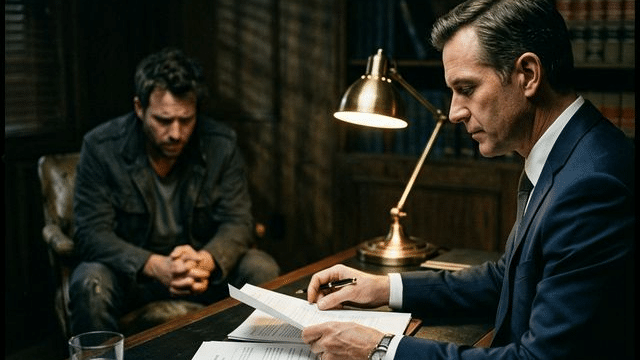

Being arrested or finding out that there is a warrant out for your arrest is one of the most terrifying experiences someone can endure. Your mind immediately races with worst-case scenarios: Will I go to jail? Will I lose my job? How will I provide for my family? If you or a loved one are facing this nightmare, understanding exactly what happens after you are charged with a crime in Minnesota is the first step toward regaining control over your future.
The Minnesota criminal justice system strictly follows specific procedural rules governing the timeline of a criminal case. While no two cases are exactly alike, knowing the general chronological path – from the initial arrest all the way to a potential trial – will help you make informed decisions and build a strong defense.
1. The Arrest and Booking Process
A criminal case typically begins in one of two ways: either you are arrested at the scene of an alleged crime, or the police file a formal complaint that results in a warrant or a summons to appear in court. If you are physically arrested, you will be taken to a local jail or police station for “booking.” This process involves taking your fingerprints, taking a mugshot, and recording your personal information.
Crucial Rule: At this stage, law enforcement will likely try to interrogate you. Do not answer their questions. You have a constitutional right to remain silent under the Fifth Amendment. Be polite, but clearly state that you will not speak without a criminal defense attorney present.
2. Bail Evaluation and Pretrial Release

Following an arrest, you will likely be held in custody until a judge determines your bail or conditions of release. Under Minnesota law, you generally cannot be held for more than 36 hours (excluding Sundays and holidays) without a judge reviewing your case or formally charging you.
During the bail evaluation, the judge will consider factors such as your ties to the community, your prior criminal record, and the severity of the charge. An experienced attorney can often intervene early to argue for a lowered bail amount or a “Release on Recognizance” (ROR), meaning you are released without having to pay cash bail, provided you promise to attend all future hearings.
3. The First Appearance (Arraignment)
Under the Minnesota Rules of Criminal Procedure (Rule 5), your initial court hearing is known as your First Appearance. This is a very brief hearing that serves several legal purposes:
- The judge formally advises you of the exact charges filed against you.
- The judge informs you of your constitutional rights.
- The conditions of your release (or bail) are officially set.
- The date for your next hearing is scheduled.
Although you can technically appear without a lawyer, it is highly discouraged. A defense attorney can ensure that you make no accidental admissions of guilt on the public record and can begin formally demanding the “discovery” (the prosecution’s evidence) during this stage.
4. The Rule 8 Hearing and Omnibus Hearing
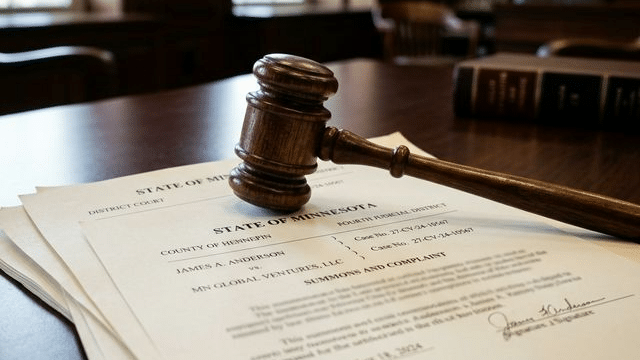
If you are charged with a felony or a gross misdemeanor, your next milestones are the Rule 8 Appearance and the Omnibus Hearing. In many Minnesota counties, these are combined into a single hearing.
The Omnibus Hearing is one of the most critical stages in the entire legal process. This is the pre-trial phase where your attorney can challenge the legality of the state’s evidence. If the police conducted an illegal search without a warrant, or if they pulled your vehicle over without reasonable suspicion (a common issue in DWI cases), your lawyer will file a motion to suppress that evidence. If the judge agrees that constitutional rights were violated, key evidence may be thrown out, which frequently results in the charges being reduced or dismissed entirely.
5. Plea Negotiations and Pre-Trial Settlement
As the discovery process unfolds and the strengths and weaknesses of both sides become clear, your defense attorney and the prosecutor will typically engage in plea negotiations. A plea bargain might involve pleading guilty to a lesser charge in exchange for a lighter sentence or staying out of prison entirely.
A dedicated defense attorney will never force you into a plea deal. Their job is to fiercely negotiate the best possible terms and clearly explain the pros and cons, allowing you to make an informed, confident decision about whether to accept a deal or take the fight to trial.
6. The Criminal Trial and Sentencing
If a favorable plea agreement cannot be reached, your case will proceed to trial. You have the right to a trial in front of a jury of your peers, or you can choose a “bench trial” where the judge alone decides your fate.
During the trial, the burden of proof rests entirely on the state. The prosecutor must prove that you committed the crime beyond a reasonable doubt. Your defense team will cross-examine the state’s witnesses, dismantle forensic evidence, and present your side of the story. If you are found Not Guilty, you are free to go. If you are found Guilty (or if you accept a plea deal), the judge will hold a sentencing hearing to determine your penalties based on the Minnesota Sentencing Guidelines.
7. Post-Conviction and Criminal Expungement Help
Even after a case concludes, a comprehensive lawyer’s job may not be over. They can guide you through the complex requirements of your probation. Furthermore, if you are eligible in the future, your attorney can help you apply for criminal expungement – a legal process to seal your permanent criminal record so you can move forward with applications for employment and housing without the heavy burden of past mistakes.
Take Action Before It Is Too Late

The criminal timeline in Minnesota moves incredibly fast, and the state begins building its case against you from the second the handcuffs click. If you wait until your First Appearance to find legal representation, you have already wasted valuable time that could have been used to investigate witnesses and challenge bail conditions. If you have been charged with a crime in Minnesota, time is your most critical asset. Contact the relentless defense team at Wolfgram Law Firm today to protect your rights, your record, and your freedom.
Our Reviews

Client
Testimonials
 Wolfgram Law Firm Criminal Defense

Canadian Pacific Plaza, 120 South 6th St UNIT 2305, Minneapolis
-
They are truly the **best law firm ever**. From the moment I reached out, I was impressed by their professionalism and dedication. Every member of their team is **highly skilled** and knowledgeable, ensuring that I received the best possible guidance throughout my case.
What stood out the most was their commitment to achieving **the best outcomes** for their clients. They took the time to explain every step of the process, making me feel confident and well-informed. I am nothing but happy with my … More decision to choose this law firm.
If you’re looking for a **high-quality legal team** that truly cares about their clients, look no further than Wolfgram Law Firm. Thank you for everything you’ve done for me!


Our Location
Canadian Pacific Plaza, 120 South 6th Street, Suite 2305, Minneapolis, Minnesota 55402, United States


Call Us
612-584-3675 Hours: 9am - 5pm | Monday - Friday