
Our Blog
Understanding the Criminal Court Process in Minnesota
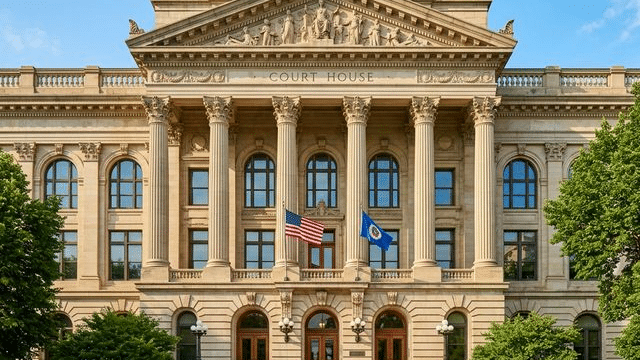

Stepping into a courtroom for the first time is an intimidating experience. The language used by judges and prosecutors can feel like a foreign dialect, and the stakes – your freedom, your finances, and your reputation – are incredibly high. If you or a loved one are facing criminal charges, understanding the criminal court process in Minnesota is essential to making informed decisions and building a successful defense.
The Minnesota criminal justice system is highly structured, and missing a deadline or misunderstanding a hearing’s purpose can have devastating consequences. Let’s break down the step-by-step timeline of an adult criminal case in Minnesota, so you know exactly what to expect from beginning to end.
1. The Investigation and Charging Phase
Before you ever see a judge, the process begins with law enforcement. Police investigate a suspected crime, gather evidence, and submit their findings to the local prosecuting attorney (either a city attorney for misdemeanors or a county attorney for gross misdemeanors and felonies).
The prosecutor reviews the police report to determine if there is enough “probable cause” to file formal charges. If they decide to proceed, you will either be arrested via a warrant, or you will receive a summons in the mail ordering you to appear in court on a specific date. Never ignore a court summons; doing so will result in an immediate bench warrant for your arrest.
2. The First Appearance (Arraignment)

Your journey inside the courtroom officially begins with the First Appearance, also commonly referred to as an arraignment. During this brief hearing, the judge will accomplish three primary legal steps:
- Inform you of the charges: The court will officially state the crimes the prosecution is accusing you of committing.
- Advise you of your rights: The judge will ensure you understand your constitutional rights, including your right to a criminal defense lawyer and your right to remain silent.
- Set conditions of release: The judge will determine whether you must pay bail to get out of jail, or if you can be Released on Your Own Recognizance (ROR) with specific conditions (such as no-contact orders or random drug testing).
If you are charged with a misdemeanor, you will typically be asked to enter a plea of Guilty or Not Guilty at this stage. If you are charged with a felony, the plea comes later in the process.
3. The Pre-Trial Phase and Discovery
The pre-trial phase is where a defense attorney does their most crucial behind-the-scenes work. Following the First Appearance, your lawyer will file a formal demand for “discovery.”
Discovery is the process by which the prosecution must turn over all the evidence they intend to use against you, including police reports, body-cam footage, witness statements, and forensic results. Your attorney will meticulously review this evidence to identify constitutional violations, missing information, or procedural errors.
4. The Rule 8 and Omnibus Hearings (For Felonies and Gross Misdemeanors)
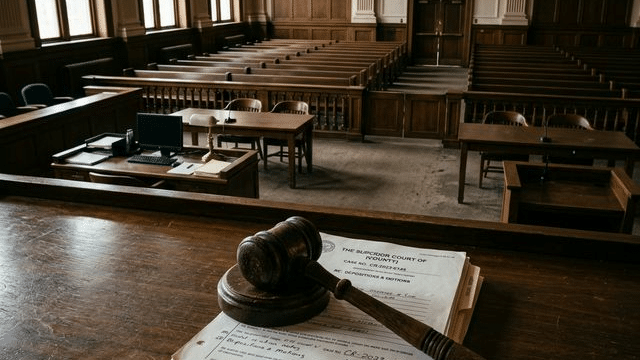
If your charges are severe (a gross misdemeanor or felony), you will attend an Omnibus Hearing. In Minnesota, this is a highly technical pre-trial hearing where your attorney actively challenges the legal foundation of the state’s case.
During the Omnibus Hearing, your defense lawyer can file motions to suppress illegally obtained evidence or dismiss the charges entirely for lack of probable cause. For example, in DWI cases, if the police pulled your vehicle over without a valid legal reason, your lawyer will argue that all evidence gathered after the stop (including blood alcohol tests) must be thrown out.
5. Plea Negotiations and Settlement Conferences
It is a statistical fact that the vast majority of criminal cases in Minnesota do not go to trial; they are resolved through plea bargains. A plea bargain is an agreement where the defendant pleads guilty or no contest in exchange for a favorable concession from the prosecutor, such as a reduced charge or a lighter sentence.
A skilled defense attorney will use the weaknesses exposed during the discovery phase and the Omnibus Hearing to leverage the best possible plea deal. However, the final decision to accept a plea or go to trial always rests with you, the client. A reputable lawyer will give you honest advice about the risks of trial versus the benefits of a plea settlement.
6. The Criminal Trial
If a settlement cannot be reached, your case will proceed to trial. You have the constitutional right to a trial by a jury of your peers, or you can opt for a “bench trial” where the judge alone determines your guilt or innocence.
During the trial, the burden is entirely on the state prosecutor to prove your guilt beyond a reasonable doubt. Your defense team will present opening statements, cross-examine the state’s witnesses, introduce your own evidence, and deliver a compelling closing argument. If the jury’s verdict is “Not Guilty,” you are acquitted, and the case is closed.
7. Sentencing
If you are found Guilty at trial, or if you accept a plea agreement, the final step in the court process is the sentencing hearing. The judge will determine your punishment based on the specific Minnesota Sentencing Guidelines, which factor in the severity of the offense and your prior criminal history.
Even at this stage, an aggressive defense lawyer is invaluable. They will present mitigating factors to the judge – such as evidence of your good character, employment history, or willingness to undergo rehabilitation – to argue for a lighter sentence, such as probation instead of prison time.
Partner With an Experienced Defense Team
The criminal court process in Minnesota is complex, adversarial, and unforgiving to those who do not understand it. Attempting to navigate hearings, discovery demands, and plea negotiations without a lawyer is incredibly risky. You need a dedicated legal advocate who understands the local courts and knows how to fight for your rights at every single stage of the timeline. Contact the legal professionals at Wolfgram Law Firm today to schedule your confidential consultation and ensure your voice is heard in the courtroom.
Our Reviews

Client
Testimonials
 Wolfgram Law Firm Criminal Defense

Canadian Pacific Plaza, 120 South 6th St UNIT 2305, Minneapolis
-
They are truly the **best law firm ever**. From the moment I reached out, I was impressed by their professionalism and dedication. Every member of their team is **highly skilled** and knowledgeable, ensuring that I received the best possible guidance throughout my case.
What stood out the most was their commitment to achieving **the best outcomes** for their clients. They took the time to explain every step of the process, making me feel confident and well-informed. I am nothing but happy with my … More decision to choose this law firm.
If you’re looking for a **high-quality legal team** that truly cares about their clients, look no further than Wolfgram Law Firm. Thank you for everything you’ve done for me!


Our Location
Canadian Pacific Plaza, 120 South 6th Street, Suite 2305, Minneapolis, Minnesota 55402, United States


Call Us
612-584-3675 Hours: 9am - 5pm | Monday - Friday