
Our Blog
Can You Expunge a Domestic Violence Charge in Minnesota?
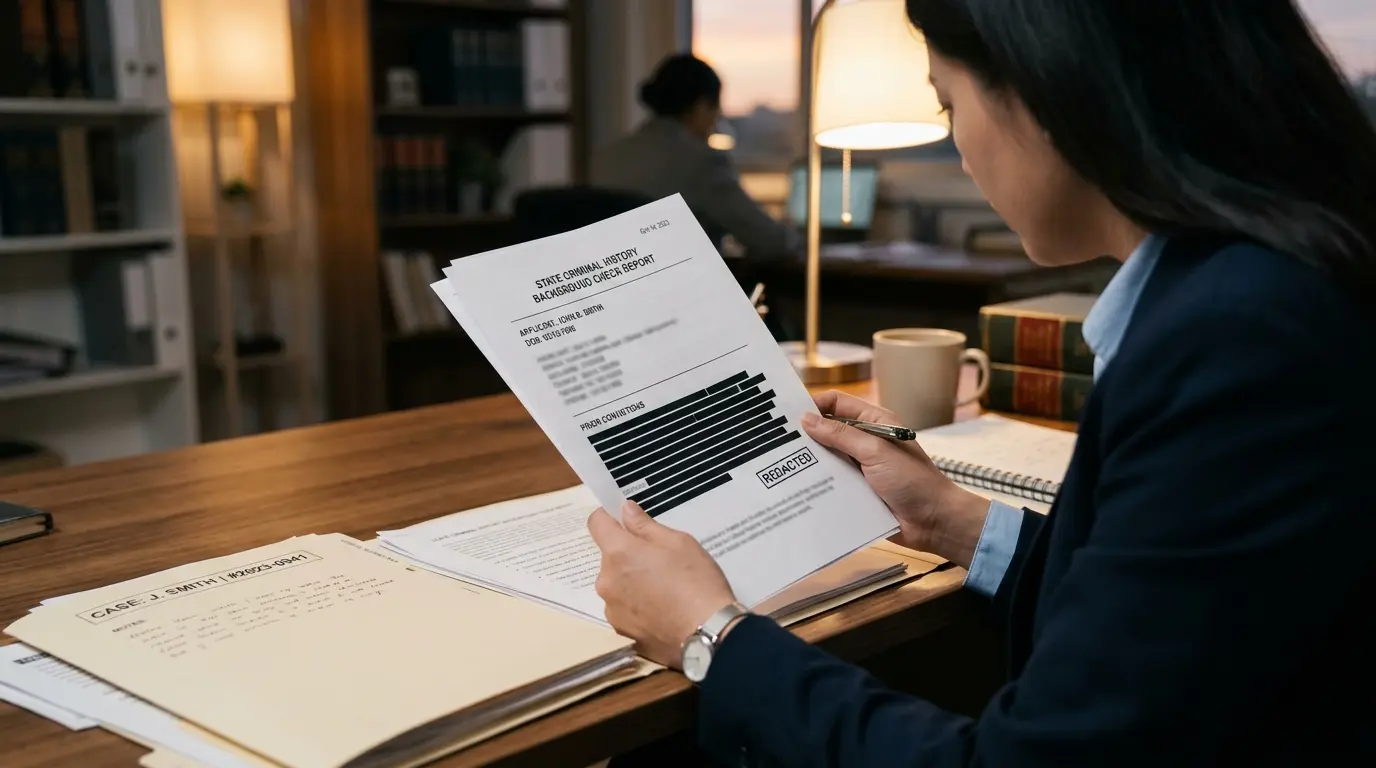

Many people ask whether they can expunge domestic violence Minnesota court and BCA records after a case ends. Minnesota law allows expungement in some situations under Statute 609A. However, domestic assault convictions face stricter limits than many other offenses.
Expungement does not automatically restore firearm rights or remove every trace of a case. Furthermore, federal law may still treat a domestic conviction as a permanent gun ban.
At the Wolfgram Law Firm, our domestic assault defense attorneys help clients across Minnesota avoid convictions when possible — and pursue expungement when eligible. This guide explains when you may expunge domestic violence Minnesota records and when you may not.
What Does Expungement Mean in Minnesota?
Expungement is a court order that seals criminal records from public view. Under Minnesota Statute 609A, a judge may expunge court records and ask the Bureau of Criminal Apprehension (BCA) to seal its files.
After a successful expungement, most employers and landlords cannot see the case on standard background checks. However, law enforcement and certain licensing boards may still access sealed records in specific situations.
Importantly, expungement is not the same as a pardon. It also does not automatically reverse every collateral consequence of a domestic violence conviction.
Expunge Domestic Violence Minnesota: Eligibility Overview

Whether you can expunge domestic violence Minnesota records depends on how your case ended. Minnesota uses different eligibility tracks for dismissed cases versus convictions.
Dismissed Cases and Acquittals
If your domestic assault charge was dismissed or you were acquitted at trial, you may qualify for expungement under Statute 609A.02. You generally must show that remaining records create a hardship.
There is no mandatory waiting period for dismissed cases in many situations. However, prosecutors may still oppose the petition, and the judge has final discretion.
Convictions — Stricter Rules
Expunging an actual domestic violence conviction is much harder. Statute 609A.02 allows expungement of certain convictions only after a waiting period and only for eligible offense levels.
Many domestic assault convictions under Minnesota Statute 609.2242 may not qualify — especially felonies or cases with enhanced penalties. The court weighs public safety against your rehabilitation.
Additionally, if you received a stay of adjudication or completed diversion, different rules may apply. Your attorney must review the exact disposition on your court docket.
Waiting Periods and BCA Records
Minnesota maintains criminal history through the BCA under Statute 299C.11. Expungement must address both court files and BCA data to be effective for employment background checks.
For eligible convictions, waiting periods typically range from two to five years after completing all sentence conditions. This includes probation, fines, and treatment programs.
Furthermore, any new criminal charge during the waiting period may disqualify you. The court expects a clean record and evidence of rehabilitation.
What Expungement Cannot Fix
Even when you successfully expunge domestic violence Minnesota court records, some consequences may remain.
Federal firearm ban: The Lautenberg Amendment may permanently prohibit gun possession after a misdemeanor domestic violence conviction — regardless of state expungement.
Immigration consequences: Sealing a record does not always erase immigration effects of the underlying conduct or conviction.
Professional licensing: Some boards may require disclosure of sealed cases when applying for or renewing licenses.

Therefore, preventing a conviction during the original case is often more effective than seeking expungement years later.
The Expungement Petition Process
Filing to expunge domestic violence Minnesota records requires a formal petition in the county where the case occurred. The process generally includes the following steps.
- Obtain your complete BCA criminal history report
- Draft and file a petition under Statute 609A with supporting affidavits
- Serve the prosecutor and relevant agencies
- Attend a hearing where the judge weighs statutory factors
- Receive an order sealing court records and directing BCA action
Judges consider your criminal history, rehabilitation efforts, nature of the offense, and public safety. Domestic cases receive careful scrutiny because of the victim safety concerns involved.
Having an attorney present evidence of employment, treatment completion, and community ties may improve your chances when the law allows expungement.
Alternatives to Expungement
When full expungement is not available, other options may still help depending on your case outcome.
Petition to restore civil rights may apply in felony cases after completing sentence requirements. This is separate from expungement.
Motion to vacate may be possible in limited circumstances involving immigration consequences or newly discovered evidence.
Non-domestic plea reductions at the original case stage may avoid the harshest collateral consequences entirely. That strategy requires early intervention before conviction.
Why Early Defense Beats Late Expungement
The best way to keep a domestic violence case off your record is to fight the charge before conviction. Diversion, acquittal, or a favorable plea may create better long-term outcomes than a post-conviction expungement fight.
At Wolfgram Law Firm, we handle domestic cases from first appearance through expungement petitions when eligible. Contact us today for a free and confidential consultation about your record or pending case.

Whether you need to expunge domestic violence Minnesota records or prevent a conviction now, our Minnesota criminal defense team can evaluate your options honestly.
Frequently Asked Questions
Can a domestic assault conviction be expunged in Minnesota?
Some convictions may qualify under Statute 609A after a waiting period, but many domestic assault convictions face significant barriers.
Felony domestic convictions and cases with aggravating factors are especially difficult to expunge. An attorney must review your specific disposition to give an accurate answer.
How long must I wait to expunge a dismissed domestic violence charge?
Dismissed cases and acquittals may be eligible without the long waiting periods that apply to convictions. You must still file a petition and prove that retaining the record creates hardship.
Prosecutors may oppose the petition, so preparation and evidence of rehabilitation remain important.
Will expungement restore my gun rights after a domestic conviction?
State expungement does not automatically restore federal firearm rights under the Lautenberg Amendment. Gun rights restoration is extremely limited for domestic violence convictions.
Avoiding a domestic violence conviction through skilled defense at the outset is often the only practical way to preserve firearm rights.
This article is provided for informational purposes only and does not constitute legal advice. Every criminal case is unique. If you need legal advice regarding your specific situation, consult our experienced Minnesota criminal defense attorney.
Our Reviews

Client
Testimonials
 Wolfgram Law Firm Criminal Defense

Canadian Pacific Plaza, 120 South 6th St Unit 2305, Minneapolis
-
Adam and his team here are outstanding and 100% will go the extra mile always staying in great communication.


Our Location
Canadian Pacific Plaza, 120 South 6th Street, Suite 2305, Minneapolis, Minnesota 55402, United States


Call Us
612-584-3675 Hours: 9am - 5pm | Monday - Friday